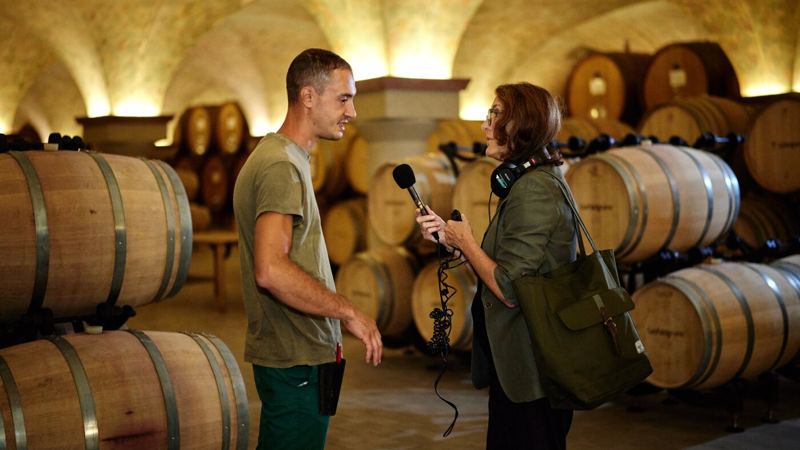
U.S. Health and Human Services Secretary Robert F. Kennedy Jr. has praised Italy’s San Patrignano addiction treatment program as a model that should be replicated in America. San Patrignano is one of the largest addiction treatment facilities in the world, operating on a 700-acre campus in the Emilia-Romagna region of Italy. The program addresses a critical gap in American treatment: an estimated 50 million people in the United States struggle with addiction to drugs or alcohol, and most never get treatment.
The San Patrignano Model
San Patrignano operates as a self-contained community with about 850 residents who work in various enterprises including farms, bakeries, cheesemaking, leather workshops, textiles, an animal shelter, and a winery that sells 400,000 bottles annually. Residents stay approximately three years and receive free treatment. The profits from these enterprises fund more than half of the program’s annual $26 million operating budget. A 20-year-old resident from Detroit said the experience was completely different from programs in America: “San Patrignano is more of a community. I wouldn’t define it as rehab.”
The program treats addiction as both a brain disease and a “soul disease,” emphasizing community connection and meaningful work rather than traditional therapy or medication. Researchers at the University of Bologna found that if someone completes the program, more than 70% were drug-free three years later, compared to success rates of about 30% for Alcoholics Anonymous in the U.S.
Challenges and Criticisms
San Patrignano’s past includes a troubled history. Founder Vincenzo Muccioli received a suspended sentence for chaining residents and was charged with covering up a resident’s murder before dying disgraced in 1995. The program gradually evolved into a more voluntary community with greater oversight. Critics, including addiction researcher Maia Szalavitz, raise concerns about unpaid mandatory work requirements without adequate safeguards against exploitation. Szalavitz noted that “institutions with unchecked power almost always come to no good.”
RFK Jr. has proposed building similar treatment centers across America as part of what he calls his “Peace Corps program,” though experts question whether the model can be replicated in the U.S. healthcare system.
This article is an AI-assisted summary. All facts and figures are drawn from the original report: https://www.npr.org/transcripts/nx-s1-5763839