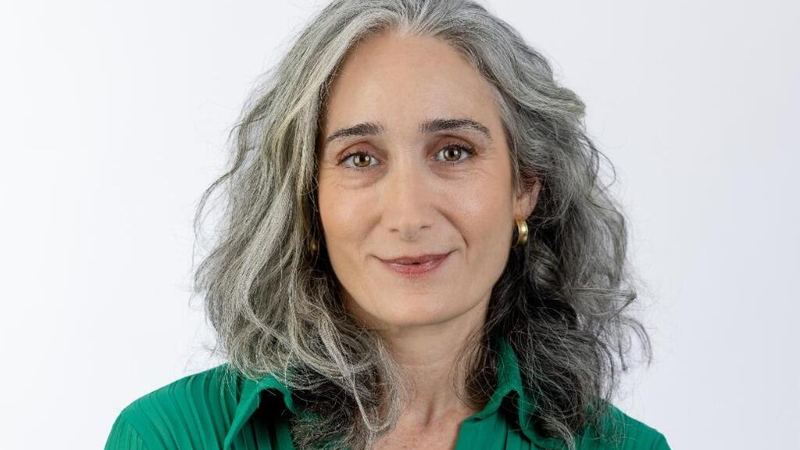
Israel is addressing a national mental health emergency through a combination of technology platforms and community-based support services. The country entered its recent conflict with a mental health system already stretched thin, and recent data indicates that a majority of children show signs of distress while large portions of the population report sleep disruption and high anxiety. Michal Shmul, Acting Director of Mental Health and Wellbeing at JDC in Israel, noted that “this isn’t just about clinical conditions or a specific demographic; it is an issue that touches almost every one of us, in different ways.”
Technology and Peer Support Solutions
To address the scale of the crisis, JDC is building a national mental health response that combines large-scale community programs, standardization across the country, and early detection integrated with advanced digital tools. Nafshi, a national platform that aggregates hundreds of free and low-cost mental health and wellbeing services, recorded more than 200,000 visits since its launch in late 2023. Since the outbreak of the current war, the platform has recorded 50,000 visits, with an additional 100,000 using JDC’s other digital emergency resources.
Dugri, an online platform founded by clinical psychologist Yotam Dagan, creates structured, anonymous peer-support communities. Rather than therapy, it offers “guided conversation between people who share similar experiences.” Dagan noted that “there were not enough professionals, and there would not be enough. We needed a broad, systemic response, and fast.”
Preventative Approach and Data Systems
TOKO is another platform pairing individuals for ongoing, AI-guided sessions with structured conversations designed to build resilience and wellbeing. According to Shmul, “people don’t just need treatment. They need connection, they need to feel they are not alone.” Research shows that early support and connections to community can significantly reduce the risk of long-term disorders. National dashboards allow decision-makers to track needs in real time and respond accordingly, ensuring a coordinated system rather than just a collection of applications.
This article is an AI-assisted summary. All facts and figures are drawn from the original report: https://www.ynetnews.com/health_science/article/rjcdhoes11g