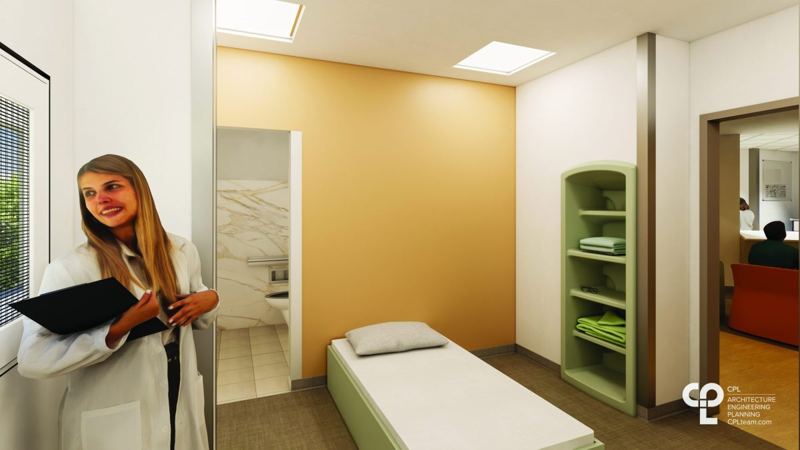
A new crisis center for emergency mental health care in Cuyahoga County moved closer to opening after the Alcohol, Drug Addiction and Mental Health Services board (ADAMHS) approved $4.5 million from its budget for the facility’s operations in the coming year. The crisis center, named the Glick Recovery Campus, is already under renovation in the Central neighborhood and is set to open in September.
Funding and Strategic Direction
The $4.5 million commitment represented a compromise from the original plan to spend $10 million annually. Jason Joyce, the CEO of ADAMHS, explained that the original commitment would have forced the board to cut support provided to other mental health and addiction providers in the community. Under the agreement approved, the ADAMHS board will give $4.5 million to the new crisis center, with Joyce predicting the board will still need to make cuts to other service providers but expects them to be smaller. James Dixon, the ADAMHS board vice chair, supported the new funding agreement, stating “$10 million a year was going to draw too much away from other programs, which wouldn’t have been good.”
Facility Design and Capacity
The Glick Recovery Campus will provide more accessible and coordinated crisis response while reducing unnecessary reliance on emergency departments and law enforcement. The first floor will have 40 crisis receiving chairs—essentially recliners where patients can receive medication and services for up to 23 hours. The second floor will have residential beds for longer-term stays and beds for substance use detox. The third floor will offer outpatient primary care and mental health care.
Unresolved Funding Questions
Uncertainty remains regarding opioid settlement dollars from Cuyahoga County, which are needed to cover approximately 20% of the crisis center’s annual operations but have not yet been approved by county council. These funds currently support the community’s diversion center on East 55th Street, which was established in 2021. Leaders have previously said the diversion center is set to close after dollars shift to the new crisis center, but leaders of the diversion center have expressed concern that closing it will mean a net loss of residential beds for people with mental health crises who need services for days at a time.
This article is an AI-assisted summary. All facts and figures are drawn from the original report: https://signalcleveland.org/new-emergency-mental-health-center-one-step-closer-to-opening/