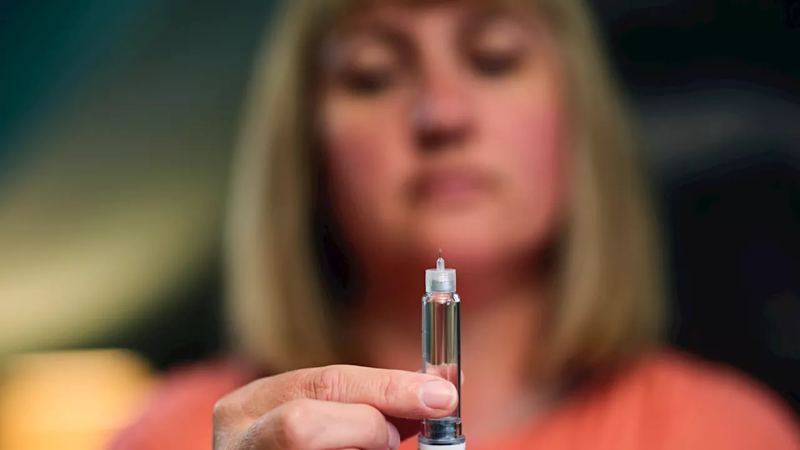
Blockbuster anti-obesity medications like Wegovy and Zepbound continue to see growing adoption, with more than 600,000 prescriptions written for Novo Nordisk’s new Wegovy pill just since January. Early analysis from health care data company Truveta indicates that more than a third of users are new to GLP-1 drugs. However, experts emphasize that medication alone doesn’t provide the full solution—success requires pairing the medication with lifestyle changes including healthy diet, exercise, adequate sleep, and stress management.
The Critical Mistake
“The biggest mistake people make with GLP-1 medications is thinking the prescription is the treatment,” according to Dr. Katherine Saunders, an obesity medicine expert at Weill Cornell Medicine and co-founder of FlyteHealth. While GLP-1s can produce weight loss and health benefits independently, the effects are significantly larger and last longer when combined with lifestyle modifications. Social media and advertising often create the impression that these medications are a quick fix, but “obesity is a complex, chronic, progressive disease” that requires ongoing medical management, Saunders noted.
Evidence for Lifestyle Integration
Clinical trials of anti-obesity medications like Wegovy and Zepbound included structured lifestyle programs alongside medication, guidance that is recommended with every new prescription. A study of more than 98,000 U.S. military veterans demonstrated that those using a GLP-1 while adhering to six to eight healthy habits had a 43% lower risk of serious cardiovascular events such as stroke and heart attack compared to those who didn’t use drugs and followed three or fewer healthy habits.
Dr. Frank Hu, a lead author and chair of the nutrition department at Harvard T.H. Chan School of Public Health, emphasized that lifestyle habits “can substantially amplify the benefits of modern medications.” The GLP-1 drugs work by targeting hormones in the gut and brain that slow digestion and regulate appetite and feelings of fullness, an effect that “levels the playing field” and makes it easier to adopt healthier habits. Experts recommend maintaining muscle by eating 20-30 grams of protein per meal, consuming more fiber and 8-12 cups of water daily, aiming for 150 minutes of aerobic exercise weekly, and getting seven to nine hours of sleep daily.
This article is an AI-assisted summary. All facts and figures are drawn from the original report: https://us.headtopics.com/news/the-biggest-mistake-people-make-with-glp-1-drugs-and-how-81367696