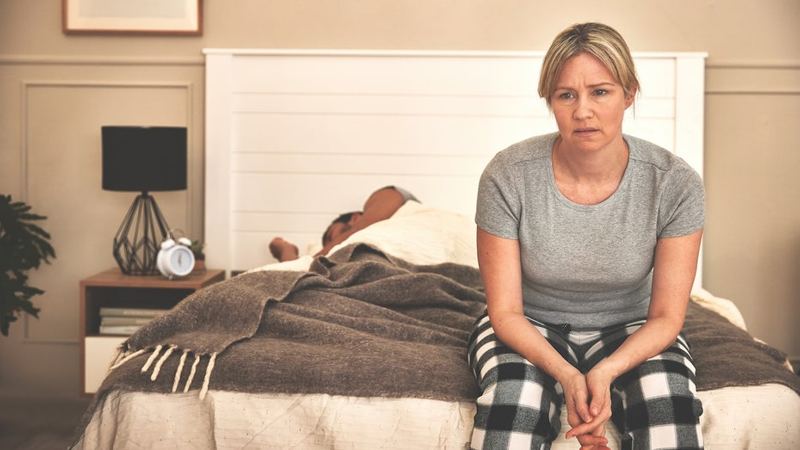
Getting a full eight hours of sleep and still feeling drowsy is not uncommon. Dr. Wendy Troxel, a licensed clinical psychologist and senior behavioral scientist at RAND based in Utah, emphasizes that there is a “really important distinction” between quantity and quality of sleep. According to Troxel, about one in three adults experiences non-restorative sleep quality—a condition where people sleep enough hours but still wake feeling groggy and unrested.
Factors Affecting Sleep Quality
Multiple factors can contribute to poor sleep quality regardless of duration. Drinking alcohol is a major contributor to disrupted sleep, and consuming caffeine late in the day can also harm sleep quality. Stress and worry can contribute to fragmented sleep, as can phone use at bedtime. Women are particularly affected: they are twice as likely to have insomnia compared to men, and their risk for sleep disturbances “skyrockets” during the menopausal transition. While research does support that women need slightly more sleep than men—about 10 to 15 extra minutes per night—Troxel notes that “women’s sleep quality often suffers more than men’s.”
The Myth of Needing Less Sleep
For those who claim they sleep better with fewer hours and feel sleepier when getting the recommended seven to nine hours, Troxel explains this is not evidence that they require less sleep. Rather, their bodies are simply not used to sleeping longer. Laboratory studies have shown that sleep deprivation causes impairments in judgment, meaning someone who thinks they function fine on only four hours of sleep per night is likely unaware of the cognitive impacts.
Improving Sleep Quality
Quality sleep depends on following a healthy lifestyle and maintaining a consistent sleep-wake schedule. Eating a nutritious diet free of foods causing indigestion, especially in the evening, helps. Exercise promotes better sleep quality, but vigorous physical activity too close to bedtime should be avoided. People should not be “sleep-shamed” for adhering to their own circadian rhythms, Troxel emphasized, as these biological patterns are largely beyond individual control.
This article is an AI-assisted summary. All facts and figures are drawn from the original report: https://www.foxnews.com/health/real-reasons-youre-still-exhausted-after-8-hours-sleep-according-expert