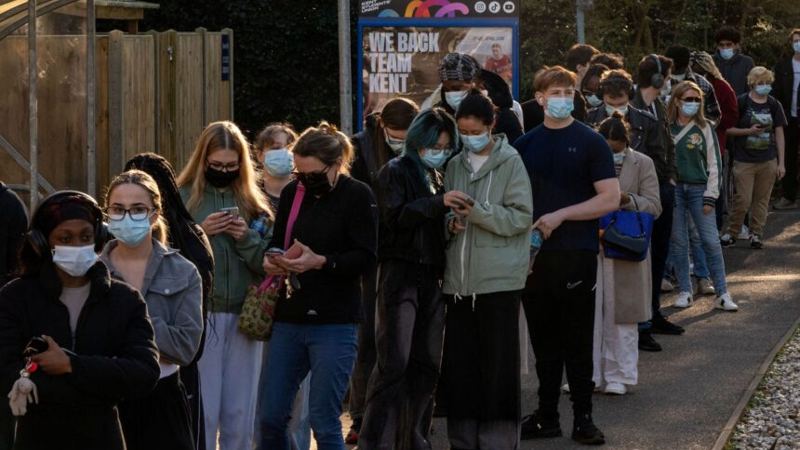
Health officials in the United Kingdom are investigating a cluster of meningococcal infections. As of Thursday, UK health officials reported 15 laboratory-confirmed cases and 12 suspected cases under investigation, bringing the total to 27, with two deaths. Meningococcal group B disease is a severe bacterial infection caused by Neisseria meningitidis that can lead to meningitis, infecting the brain and spinal cord lining, or septicemia, a bloodstream infection. Even with treatment, invasive meningococcal disease can be fatal in 8 to 15 percent of cases, and survivors may experience long-term complications such as hearing loss, neurological damage, or limb loss.
The situation appears to be a localized cluster rather than widespread transmission. Many cases have been linked to a nightclub exposure among young people, which explains the rapid cluster emergence. The overall risk to the public remains low. Meningococcal bacteria spread through respiratory and throat secretions, typically requiring close or prolonged contact such as kissing or sharing drinks, utensils, or other items that contact saliva.
Three main age groups experience peak risk: infants, who are vulnerable due to limited immunity; adolescents and young adults, who are more likely to carry bacteria and spend time in close-contact environments; and adults 65 and older, due to medical vulnerability. Early symptoms can resemble common illnesses: fever, headache, fatigue, nausea, vomiting, or muscle aches. Within hours, symptoms may worsen to severe headache, stiff neck, sensitivity to light, confusion, or seizures. A rash that does not fade when pressed is a key warning sign, though not everyone develops a rash.
If meningococcal disease is suspected, this is a medical emergency requiring immediate emergency department care. Preventive antibiotics are recommended for close contacts such as household members, intimate partners, or those with direct exposure to a patient’s saliva. In the US, MenACWY vaccine protects against groups A, C, W, and Y, while MenB protects against group B. MenB vaccination is recommended for people 10 and older at increased risk, including those with immune conditions or those identified as at-risk during an outbreak.
This article is an AI-assisted summary. All facts and figures are drawn from the original report: https://ktvz.com/health/cnn-health/2026/03/20/a-meningitis-b-outbreak-is-happening-in-the-uk-what-people-should-know/