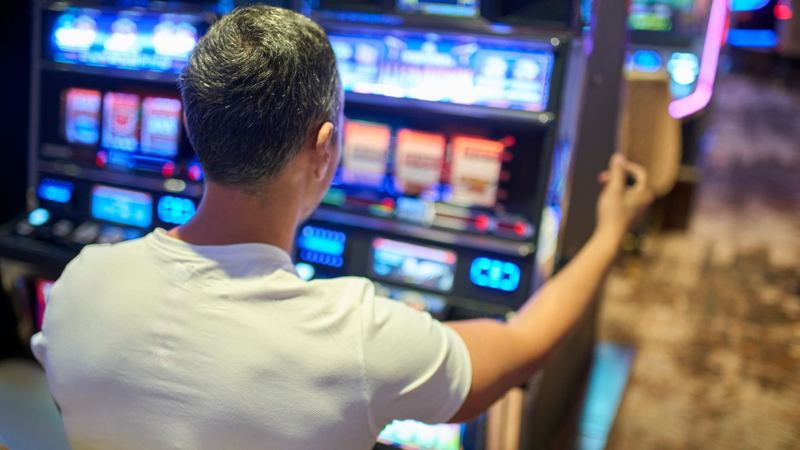
Researchers are debating whether to classify problematic behaviors as addictions in the next edition of psychiatry’s Diagnostic and Statistical Manual of Mental Disorders. The current DSM-5 includes gambling disorder as a behavioral addiction, while all other addictions mentioned are substance-tied. A recent study published on February 16 in Comprehensive Psychiatry suggests compulsive shopping may qualify as a behavioral addiction.
The study compared three types of shoppers in 241 German adults: those with a pathological desire to shop (“compulsive buyers”), “risky” or impulsive shoppers influenced by external factors, and intentional, planned shoppers. Compulsive buyers scored higher on measures linked to addictive behaviors, including distress and using shopping for emotional gratification. They reported lower self-esteem and higher levels of anxiety and depression, showed higher impulsiveness, and weaker performance on self-control tasks.
Dr. Nathan Carroll, a board-certified psychiatrist, said addiction is defined by how much it disrupts a person’s life: “When a behavior becomes so all-encompassing and so obsessive that you get functional impairment across multiple domains—socially, occupationally, educationally—that’s where it becomes an addiction.” According to the DSM, gambling addiction diagnosis requires at least four criteria within one year: frequent thoughts about gambling, need for increasing amounts to achieve excitement, unsuccessful efforts to control it, restlessness or irritability when trying to stop, gambling to escape problems, chasing losses, and lying to hide involvement.
Mark Griffiths, a behavioral addiction researcher at Nottingham Trent University, identified six key criteria defining addiction: salience, mood modification, tolerance, withdrawal, conflict, and relapse. He noted that people must meet all six criteria for true addiction—very few would qualify as having true shopping or gaming addiction under his framework.
Expanding the list of behavioral addictions has both risks and benefits. One concern is pathologizing normal behavior, potentially labeling dedicated hobbyists as addicts. Conversely, classifying behaviors as addictions provides a useful framework for clinicians to distinguish normal from pathological behavior and help people recognize problems they cannot see themselves. Gaming disorder will “definitely be a fully recognized disorder” in DSM-6, according to Griffiths, though experts disagree on how quickly additional behavioral addictions will be recognized.
This article is an AI-assisted summary. All facts and figures are drawn from the original report: https://www.livescience.com/health/should-compulsive-shopping-and-gaming-be-considered-an-addiction-psychiatrists-are-considering-expanding-the-definition