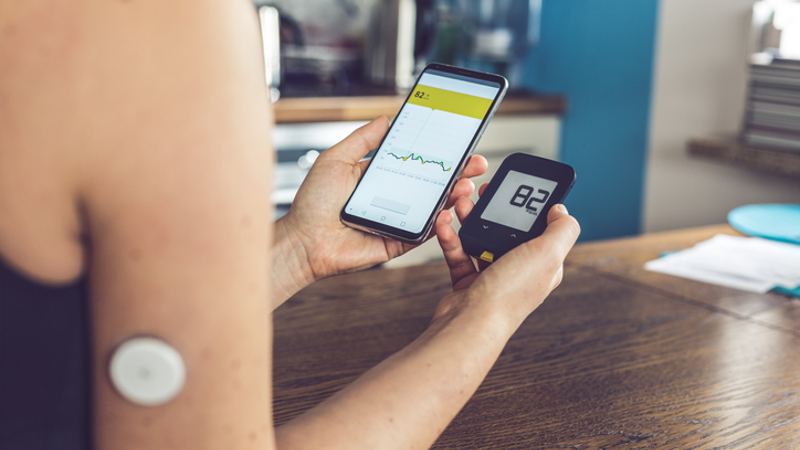
Lifestyle medicine faces a fundamental challenge: patients’ most critical health determinants—daily behaviors, diet, and activity levels—happen outside clinical settings, yet the healthcare system manages them almost exclusively from inside an exam room. Patients receive instructions to modify ingrained habits during routine appointments, then return six months later for clinicians to rely on self-reported data or single physiological assessments to judge success.
The Center for Medicare and Medicaid Innovation recently acknowledged this gap through the MAHA ELEVATE model, testing whole-person interventions including functional and lifestyle medicine. However, the validation of behavior-change programs cannot rely on reporting that lacks clinical oversight. Clinical evidence supports nutrition, exercise, and stress management in reversing conditions like type 2 diabetes and hypertension, but because these interventions are difficult to standardize and measure, they are perceived as less reliable than medication therapy and harder for payers to reimburse.
Remote Patient Monitoring (RPM) uses connected health technologies like continuous glucose monitors and blood pressure cuffs to record and transmit health data in real time. When combined with lifestyle medicine, devices can track improvements in physical activity, sleep, nutrition, and stress levels. However, a gap exists in compensating professionals best suited to deliver lifestyle interventions—registered dietitians, certified health coaches, and exercise physiologists—since current Medicare billing rules for RPM generally require services to be furnished under the supervision of a physician or non-physician practitioner.
A Mayo Clinic study credited RPM with a 72.5% patient compliance rate with care plans and a 9.4% thirty-day readmission rate. Extending this infrastructure to lifestyle medicine could address longstanding challenges around measurement and validation. If payers are serious about whole-person health, reimbursement structures must align with the workforce delivering that care, enabling seamless integration with objective data generated through connected devices.
This article is an AI-assisted summary. All facts and figures are drawn from the original report: https://medcitynews.com/2026/03/behavior-changes-happen-outside-the-exam-room-but-validation-of-lifestyle-medicine-programs-cannot/