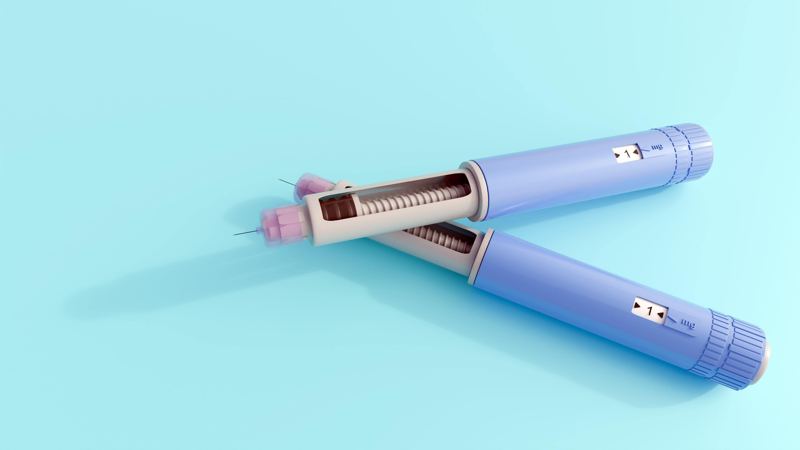
Research published in The Lancet Psychiatry found that people using GLP-1 receptor agonist medications, particularly semaglutide, experienced significant reductions in psychiatric hospitalizations and mental health crises. The study analyzed data from nearly 100,000 Swedish participants followed between 2009 and 2022, including more than 20,000 who had used GLP-1 medications.
Mental Health Benefits
The study found that people using GLP-1 medications had up to a 42% lower risk of being sick and needing hospital care for psychiatric reasons compared to when they weren’t on the medication. Semaglutide users with depression had a 44% lower risk of psychiatric hospitalization, while those with anxiety disorders had a 38% lower risk. There was also a lower risk of suicidal behavior in people who used GLP-1s overall, contradicting earlier concerns about the medications. Semaglutide had an impact on substance use disorders as well, with people taking semaglutide having a 47% lower risk of being sick or hospitalized due to substance use.
Potential Mechanisms
Researchers did not identify why GLP-1s may have this impact but offered multiple theories. Weight loss from the medications can improve body image, self-esteem, and mobility—all factors supporting mental health. GLP-1 medications reduce alcohol temptation, which can lighten mood since alcohol is a depressant. The medications improve overall metabolic health, leading to better sleep, more energy, and ability to engage in desired activities—all supporting mental health. Improved blood sugar management can improve mood regulation in people with type 2 diabetes. Some experts suggest GLP-1s may have a direct brain effect, potentially being anti-inflammatory or stimulating brain recovery.
Clinical Recommendations and Future Direction
Doctors recommend caution before assuming GLP-1s will become primary treatments for depression and anxiety, particularly since these medications have significant effects on eating behaviors. The research may instead spark treatment innovations focusing on reducing inflammation in the body. For now, the findings represent good news for people with type 2 diabetes, overweight, or obesity who also have depression or anxiety, potentially making psychiatrists more aware of the psychological benefits of weight loss and GLP-1 usage.
This article is an AI-assisted summary. All facts and figures are drawn from the original report: https://www.self.com/story/glp-1-depression-anxiety-treatment