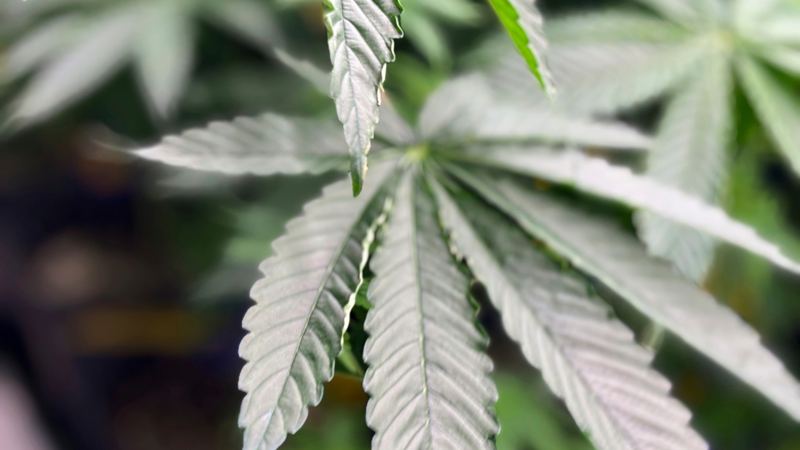
Using medical or recreational marijuana to ease symptoms of numerous mental health conditions doesn’t work, according to two new analyses of existing gold-standard research. Jack Wilson, a postdoctoral research fellow at the University of Sydney’s Matilda Centre for Research in Mental Health and Substance Use, led a study published in the journal Lancet Psychiatry that analyzed results from 54 randomized controlled trials published between 1980 and 2025.
“We found no evidence any form of cannabis is effective in treating anxiety, depression or post-traumatic stress disorder, which are three of the leading reasons for which cannabis is prescribed,” Wilson stated. The cannabis medications in these studies were largely oral formulations such as capsules, sprays, or oils. In real life, people typically use smoked cannabis, and there is even less evidence of its effectiveness for mental health.
Using marijuana also did not improve other mental health conditions such as anorexia nervosa, bipolar disorder, obsessive-compulsive disorder, or psychotic disorders such as schizophrenia. A recent JAMA paper by Dr. Deepak Cyril D’Souza at Yale also explored the effectiveness of natural and synthetic forms of CBD and THC on mental health conditions and reached similar conclusions. D’Souza noted: “These two papers clearly show there isn’t any evidence to recommend the use of cannabis or cannabis derivatives to treat mental health.”
Growing Use Without Evidence
Despite a lack of proof of efficacy, the use of medical and recreational marijuana for mental health is growing. Some 27% of people between ages 16 and 65 in the United States and Canada have used marijuana for medical purposes, with about half using it to manage their mental health. “Despite a lack of proof of efficacy, doctors continue to prescribe medical marijuana to treat mental health conditions,” Wilson added, noting that the cannabis industry has connections with some studies, creating conflicts of interest.
Risks of Use
Regular use of potent marijuana can be dangerous, especially to the most vulnerable. Utilizing marijuana during pregnancy, adolescence, and young adulthood can interfere with brain development. Heavy use by teens and young adults with mood disorders is linked to increased risk of self-harm, suicide attempts, and death. In those at high risk of bipolar or psychotic disorders, marijuana use raises the risk of developing these disorders.
The amount of THC in today’s marijuana has skyrocketed from approximately 4% in the 1970s to an average of 18% to 20% today. Cannabis concentrates now have a THC content of 80%. In the United States, about 3 in 10 people who use marijuana have cannabis use disorder, according to the Centers for Disease Control and Prevention.
This article is an AI-assisted summary. All facts and figures are drawn from the original report: https://6abc.com/post/scientists-say-marijuana-doesnt-ease-anxiety-other-mental-health-conditions/18724550/