Alaska hit a heartbreaking milestone in 2023 with the highest drug overdose death rate in the state’s history. Anchorage was at the center of this statistic, with twice the rate of the next highest region, Southeast Alaska. While the drug overdose death rate has since stabilized, with the most recent reporting showing 245 deaths between March 2024 and February 2025, the question remains whether Anchorage is doing enough to address the substance abuse epidemic.
Substance use disorder is connected to many of Anchorage’s social problems. Individuals with a diagnosis of alcohol misuse or dependency face a suicide risk 10 times higher than the general population, and intravenous drug users face a risk 14 times higher—especially concerning given that Alaska consistently ranks among states with the highest suicide rates. Property and violent crime are also linked to substance use, with Anchorage maintaining significantly higher rates of both compared with the national average. Substance abuse is often a cause or consequence of homelessness and complicates the difficult process of finding stable housing.
Service Gaps and Treatment Access
There are significant gaps in service within Anchorage’s substance abuse treatment system. One of the greatest barriers to access is waiting lists, driven in part by a scarcity of treatment centers. This problem exists at every stage of the treatment process. An individual might quickly receive an assessment and begin detox, but after completing detox, they may have to wait to enter the next level of care, such as a residential program or an intensive outpatient program. Any lapse in treatment can be incredibly detrimental to recovery, as people face a greater risk of relapse, losing motivation, or overdosing.
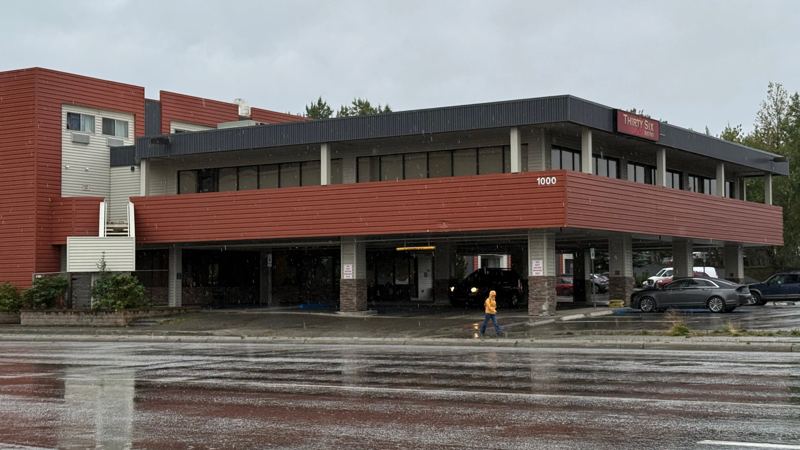
Full-service providers that offer a complete continuum of care in Anchorage are few and far between. As a result, many Alaskans feel compelled to leave the state for treatment if they have the resources to do so. The Alaska Center for Treatment project, repurposing the former Golden Lion Hotel into an outpatient drug treatment center, is an important first step. However, in the coming years, more projects like it are needed to close service gaps and make the treatment process fluid, simple, and accessible.
This article is an AI-assisted summary. All facts and figures are drawn from the original report: https://www.adn.com/opinions/2026/03/17/opinion-anchorages-addiction-crisis-demands-more-than-stabilization/