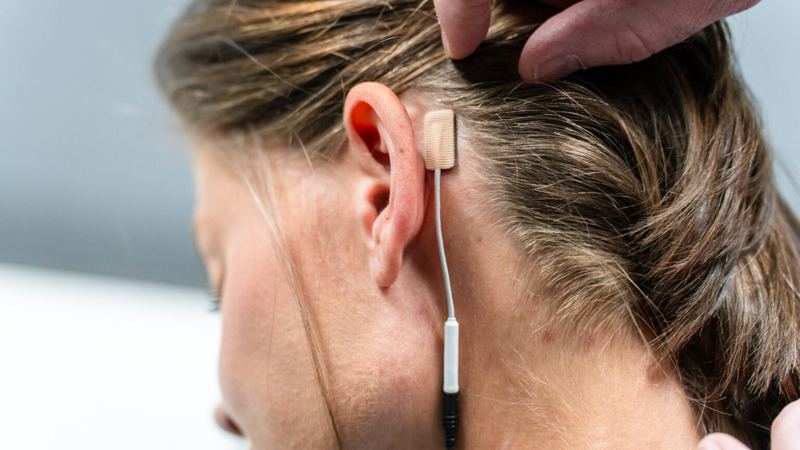
NET Recovery, maker of a device to treat opioid withdrawal symptoms, is pitching counties across the United States to spend opioid settlement dollars on its product, which costs counties about 5,500 dollars per person. The company has signed about 1.2 million dollars in contracts with more than a dozen counties and cities in Kentucky.
The NET device is a cellphone-sized pack connected to gel electrodes placed near the ear that deliver low-level electrical pulses to the brain. The FDA has cleared it specifically for reducing drug withdrawal symptoms, not for treating opioid use disorder—a crucial distinction that some say the company glosses over in marketing the device.
Michelle Warfield, a Kentucky resident who struggled with opioid addiction after a back injury led to prescription painkillers, learned about the device through her church. After three days on the device in August, she stopped using drugs altogether and has remained abstinent since.
Evidence and Concerns
An October study co-authored by NET Recovery CEO Joe Winston, which the company funded, found no significant difference between outcomes for two groups of addiction patients in Kentucky followed for 12 weeks. Participants who received the NET device were similarly likely to use illicit drugs after treatment as those who received sham treatment. However, a subgroup who chose to use the device for more than 24 hours consecutively went on to use illicit drugs less often, though researchers acknowledged this subgroup might simply have been more motivated to engage with any form of treatment.
Some researchers and recovery advocates say the company’s rapid consumption of opioid dollars raises red flags, viewing the NET device as the latest in a series of products overhyped as a solution to the addiction crisis. A road map published by 237 organizations working to end overdose called the NET device an example of problematic spending on unproven treatment.
Financing and Conflicts
The company last year hired Kelly Dycus, a magistrate and mental health clinician in Franklin County, Kentucky, to head operations in the state. Her county awarded 75,000 dollars to NET Recovery prior to her joining the company. A national expert on opioid settlements called Dycus’ new role an obvious conflict of interest for a public official.
Settlement funds are finite, and when counties invest in the NET device, less money supports options like mental health treatment, housing, and transportation programs critical for recovery. National data shows only 1 in 4 people with opioid addiction receive medications such as methadone and buprenorphine—the gold standard for treating opioid use disorder.
This article is an AI-assisted summary. All facts and figures are drawn from the original report: https://kffhealthnews.org/news/article/payback-opioid-settlements-net-recovery-device-opioid-withdrawal-spending-hype/