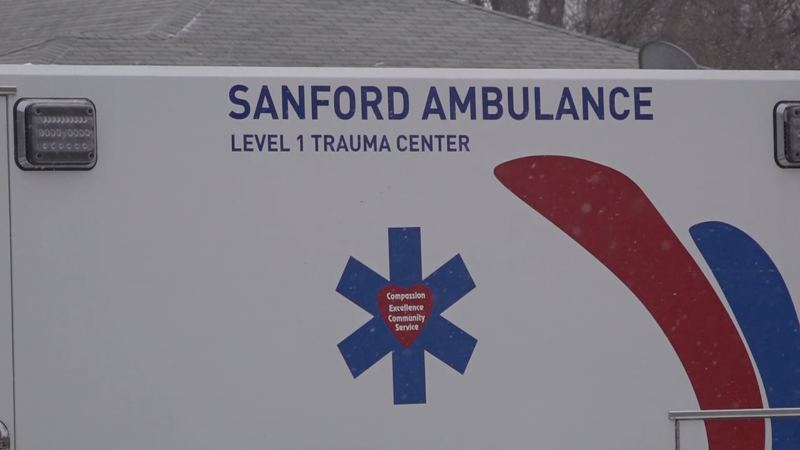
Sanford Ambulance Service in Fargo responded to more than 15,000 calls in 2025, with nearly 900 classified as behavioral health or anxiety-related, representing an ongoing operational challenge despite a drop in ranking among dispatch reasons.
The service operates 18 ambulances staffed by 130 patient providers responding to 911 calls across the metro area. Sanford’s operational goal is for crews to be actively on a call 40% of the time, with the remaining 60% spent repositioning to stay ready for the next emergency. Behavioral health calls significantly disrupt this balance, as they often require extended time on scene and can keep ambulances off the road for hours.
“They take a long time,” said Tim Meyer, Senior Director at F-M Sanford Ambulance. “So, when we go into those calls, it takes us away from other calls that we could be going on. So, it is a burden.”
Shifting Priorities
For at least five years, behavioral health calls were the top reason Sanford ambulances were dispatched. In 2025, that category dropped to fifth place. However, crews note the challenge persists despite the ranking change, as these calls continue to consume significant resources.
Behavioral health calls range from someone feeling down and needing resources to a full-blown crisis requiring extended de-escalation. “If somebody is truly in crisis—it can take a very long time to de-escalate the situation and try to convince them to get the help that they need,” said Kathy Lonski, Improvement Advisor at F-M Sanford Ambulance.
The service encourages those experiencing a mental health crisis to call or text 9-8-8 before calling 9-1-1, helping keep ambulances available for life-threatening emergencies.
This article is an AI-assisted summary. All facts and figures are drawn from the original report: https://www.valleynewslive.com/2026/03/17/fargo-ambulance-service-sees-behavioral-health-calls-drop-ranking-not-impact/