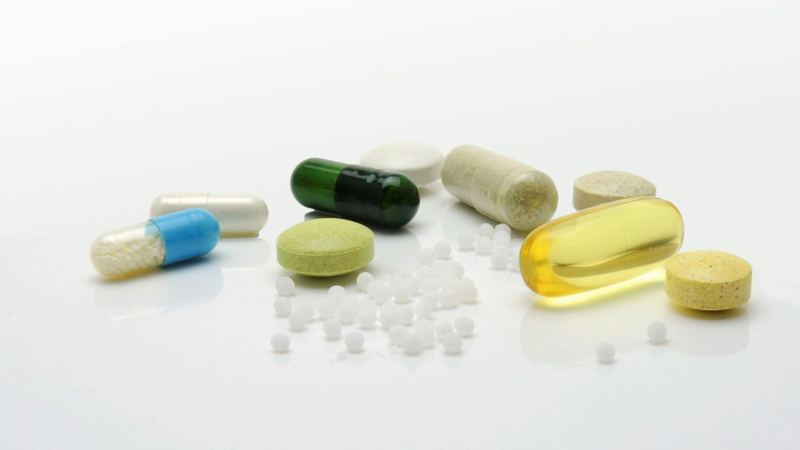
Natural antidepressants such as herbs and supplements offer an increasingly popular alternative for those managing mild mood challenges, drawing interest as concerns about pharmaceutical side effects like fatigue and dependency persist. Research supports certain options over others, with outcomes depending on individual factors and consistent use.
Top Options and Their Evidence
St. John’s Wort leads with strong evidence from multiple meta-analyses, delivering 50-60% response rates in mild-to-moderate depression, often comparable to SSRIs but with fewer issues such as weight gain or libido changes. Standardized extracts at 300mg taken three times daily boost serotonin, dopamine, and norepinephrine. SAM-e (S-adenosyl-methionine) ranks second, outperforming placebo in over 40 trials with 60-70% improvement in mood scores, particularly for those with low natural production, at doses of 800-1600mg daily.
Omega-3 fatty acids, especially EPA-focused supplements, reduce symptoms by 20-50% in doses of 1-2g daily, targeting brain inflammation linked to persistent low mood. Saffron matches fluoxetine in randomized trials at 30mg daily, with crocin easing anhedonia and sleep issues over 6-8 weeks. Rhodiola rosea cuts fatigue and burnout by 20-30% in stressed adults across 11 studies, with 400mg daily of rosavins helping adapt to mental strain.
How They Work and Timeline
Effects build gradually over 4-8 weeks, not overnight, as these remedies work by gently nudging brain chemistry rather than flooding it. Consistency proves key—pairing daily supplements with habits like morning walks enhances uptake. Response rates often hit 50% or higher for mild cases in short-term studies, rivaling low-dose pharmaceuticals. Genetics play a role; some people metabolize herbs more slowly, which can amplify benefits or risks depending on dose.
Safety and Interactions
Natural antidepressants carry a milder profile than synthetics, yet careful use is essential. Choose third-party-tested products with USP or NSF labels to ensure purity and potency. Start with half the recommended dose for 1-2 weeks to assess tolerance. St. John’s Wort increases liver enzyme activity, clashing with birth control, warfarin, or cyclosporine—effectiveness drops by 30-50% in combination use. Photosensitivity affects 1 in 20 users, requiring sunscreen during peak hours. Saffron stays safe below 30mg daily; excess mimics toxicity with nausea or vertigo. Omega-3s mildly thin blood, warranting caution before surgery. Rhodiola spikes blood pressure in 5% of users, unsuitable for hypertension without monitoring. SAM-e triggers mania in undetected bipolar cases, demanding mood screening first.
Lifestyle amplifies benefits: 7-9 hours of nightly sleep regulates cortisol, with sleep deprivation mimicking depression threefold in brain scans. Mediterranean diets—leafy greens, berries, nuts, olive oil—fortify resilience, slashing risk 30% through polyphenol protection.
This article is an AI-assisted summary. All facts and figures are drawn from the original report: https://www.medicaldaily.com/do-natural-antidepressants-really-work-top-5-science-ranked-picks-effective-mood-boost-474967