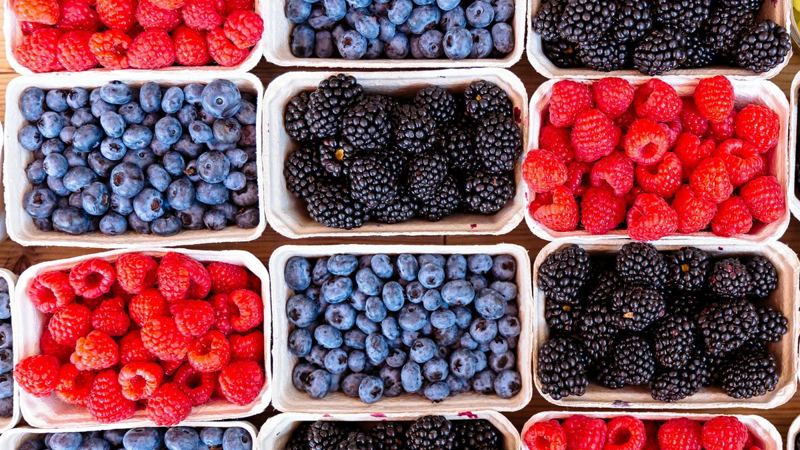
The MIND diet—the Mediterranean-DASH Diet Intervention for Neurodegenerative Delay—slowed brain aging by over two years when study participants adhered more closely to its guidelines. The diet combines the most brain-healthy components of the Mediterranean diet with the heart-healthy DASH diet, which restricts salt. All three diets are plant-based and similar, but the MIND diet specifically emphasizes foods thought to reduce dementia risk: berries, beans, leafy green vegetables, fish, poultry, whole grains, olive oil, and nuts, while severely limiting saturated fats including cheese, butter, red meat, and fried foods.
A study published in the Journal of Neurology, Neurosurgery & Psychiatry analyzed over 1,600 adults from the Framingham Heart Study, which began in 1999. Participants had an average age of 60 with no evidence of stroke or dementia at enrollment. Over an average of 12 years, participants completed dietary questionnaires, received regular health checkups, and underwent at least two MRI brain scans. Each three-point increase in adherence to the MIND diet was associated with 20% less shrinkage in gray matter, corresponding to a 2.5-year delay in brain aging. Gray matter contains nerve cells involved in memory, thinking, and decision-making. Additionally, participants more closely following the diet had slower enlargement of ventricles—fluid-filled spaces that expand as brain tissue shrinks with age. For every three points of closer adherence, ventricle development declined by 8%, reducing brain age by one year.
Individual foods contributed differently to these benefits. Berries and poultry showed the strongest anti-aging effects: berries decreased ventricle enlargement rates while poultry slowed both gray matter decline and ventricle enlargement. Conversely, higher intakes of sweets and fried fast foods accelerated brain aging. Higher sweets intake specifically led to more decay in the hippocampus, the brain region most associated with memory. However, researchers caution that the overall dietary pattern appears more important than any single food. The study is observational and cannot prove causality.
This article is an AI-assisted summary. All facts and figures are drawn from the original report: https://krdo.com/news/2026/03/17/a-unique-combo-of-two-top-diets-slowed-brain-aging-by-over-2-years/