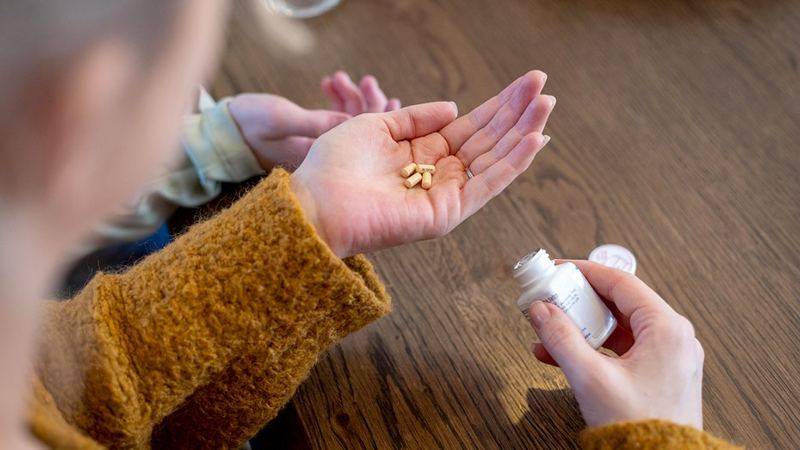
Adult ADHD stimulant prescriptions have more than doubled since the start of the COVID-19 pandemic, according to a Canadian study analyzing data from January 2016 to June 2024. This trend mirrors similar surges in the United States, Australia, the United Kingdom, and Finland. By June 2024, the monthly rate of adults being prescribed stimulants reached 10.4 per 1,000 people, a more than sevenfold rise since the study’s start. The demographics of those receiving stimulants have shifted significantly: before the pandemic, 48% of new recipients were female; during the pandemic, that number increased to 59%. The most significant growth occurred among adults aged 25 to 34.
Researchers noted that the time between a patient’s first ADHD-related healthcare visit and their first prescription shortened during the pandemic. While this could signal more efficient care, it raises concerns about whether patients receive thorough evaluations. The study also revealed a shift in prescriber demographics: while the number of stimulants prescribed by psychiatrists remained relatively stable, there was a significant increase in prescriptions from primary care providers and nurse practitioners. The rise of telehealth companies during the pandemic may have contributed to this shift, potentially increasing diagnoses in individuals without actual ADHD.
Mental health professionals note that many adults, particularly women, received diagnoses of inattentive ADHD subtype in adulthood—a presentation that often went unrecognized in childhood. Unlike hyperactive or impulsive behaviors typical in boys, inattentive ADHD causes fewer disruptions in structured environments, with symptoms often emerging when individuals must provide their own structure. However, experts caution that challenges resembling ADHD—including focus problems, reduced productivity, and mental overload in demanding digital environments—do not always reflect an actual diagnosis. Researchers acknowledged study limitations including lack of access to detailed medical records. Some stimulants may have been prescribed off-label as adjunctive treatment for depression or anxiety, conditions that also surged during the pandemic.
This article is an AI-assisted summary. All facts and figures are drawn from the original report: https://www.foxnews.com/health/adult-adhd-stimulant-prescriptions-surging-doctors-raising-concerns