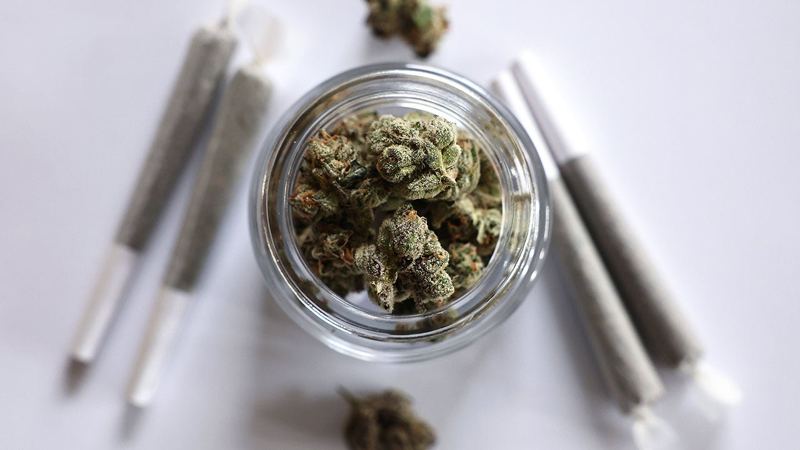
Two new analyses of existing gold-standard research show that marijuana does not effectively treat mental health conditions despite widespread use and prescribing. A study published in the Lancet Psychiatry, which analyzed results from 54 randomized controlled trials published between 1980 and 2025, found no evidence that any form of cannabis is effective in treating anxiety, depression, or post-traumatic stress disorder—three of the leading reasons for which cannabis is prescribed. The cannabis medications administered in these studies were largely oral formulations such as capsules, sprays, or oils, though people typically use smoked cannabis in real-world settings, and there is even less evidence of its effectiveness for mental health.
Marijuana also did not improve other mental health conditions including anorexia nervosa, bipolar disorder, obsessive-compulsive disorder, or psychotic disorders such as schizophrenia. Despite the lack of evidence, almost every state in the United States approves medical marijuana for mental health conditions, and about half of the 27% of people between ages 16 and 65 in the United States and Canada who have used marijuana for medical purposes report using it to manage mental health.
The dangers of marijuana use outweigh unproven benefits, particularly for vulnerable populations. Use during pregnancy, adolescence, and young adulthood can interfere with brain development. Heavy use by teens and young adults with mood disorders is linked to increased risk of self-harm, suicide attempts, and death. In individuals at high risk of bipolar or psychotic disorders, marijuana use raises the risk of developing these conditions. Daily users of high-potency cannabis may be six times more likely to develop psychotic disorder such as schizophrenia compared to non-users. Modern marijuana is significantly more potent than in earlier decades: THC content has increased from approximately 4% in the 1970s to an average of 18% to 20% today, with some dispensary products containing 35% THC and concentrates reaching 80%.
Proven treatments for mental health concerns include selective serotonin reuptake inhibitors (SSRIs) for depression and anxiety, often combined with cognitive behavioral therapy (CBT), a goal-oriented psychotherapy that focuses on changing negative thoughts and behaviors to improve mood and emotional regulation.
This article is an AI-assisted summary. All facts and figures are drawn from the original report: https://www.wishtv.com/news/health-spotlight/scientists-debunk-claims-of-marijuana-as-anxiety-mental-health-treatment/