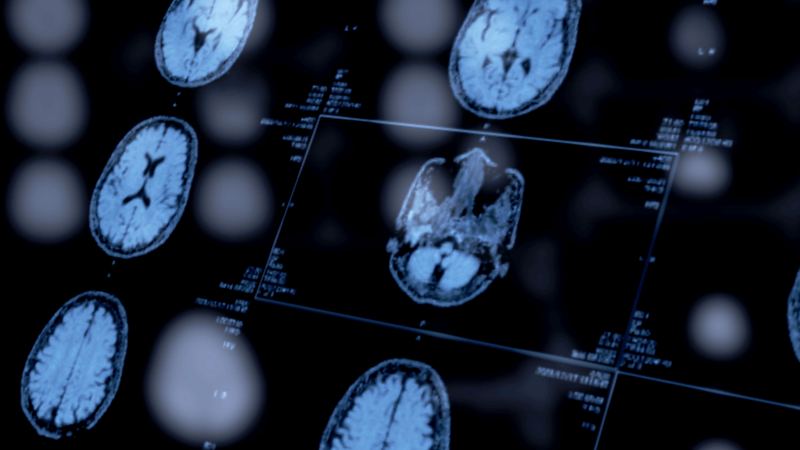
The American Psychiatric Association has proposed incorporating biomarkers—biological indicators of mental illness detected through diagnostic tests—into future versions of the Diagnostic and Statistical Manual of Mental Disorders (DSM). In a January paper, the APA outlined how blood work, imaging, and other tests could help identify biological factors contributing to mental health conditions, a significant shift from current practice that relies primarily on symptom-based diagnosis.
Psychiatric biomarkers are not yet ready for widespread clinical use, the APA emphasized, noting that decades of research have yielded few validated metrics. However, potential applications include testing for brain activity, genetic profiles, and immune markers associated with conditions including schizophrenia and substance use disorders. In depression, about a quarter of patients have elevated levels of C-reactive protein, an inflammatory marker detected through blood tests. Research suggests people with high levels of this protein respond better to drugs that alter dopamine levels rather than selective serotonin reuptake inhibitors (SSRIs), a common antidepressant class. Though C-reactive protein still requires robust validation, it is among the most promising biomarkers currently under investigation.
Adding biomarkers to the DSM could streamline insurance coverage decisions and enable faster, more accurate diagnoses and treatment recommendations. Currently, prescribing psychiatric medications is described as “a bit of a crapshoot,” with about 30% of depression patients seeing symptoms disappear with their first antidepressant in a landmark early 2000s trial. A coordinated, well-funded research effort is needed to validate biomarkers, though the Trump administration slashed federal research funding; the National Institute of Mental Health alone had at least 128 grants worth almost $173 million canceled in 2025, according to a research letter in JAMA.
Concerns about biomarker adoption include costs and insurance coverage. Early implementation could increase health care spending due to testing expenses, and insurers may decline to cover expensive tests. Researchers also worry about discrimination based on biological profiles suggesting neuropsychiatric risk. Experts emphasize this is a critical moment to consider legislative protections and clinician training before widespread adoption.
This article is an AI-assisted summary. All facts and figures are drawn from the original report: https://kffhealthnews.org/news/article/psychiatry-biomarkers-mental-health-diagnoses-dsm/