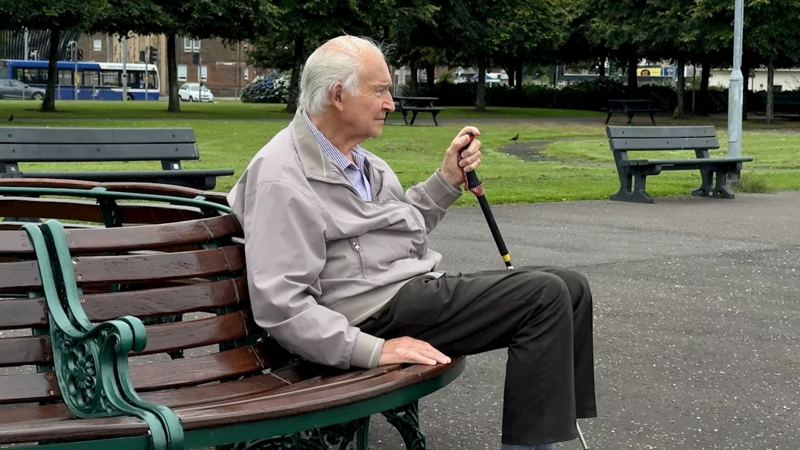
Many individuals who retire struggle with unexpected feelings of sadness, anxiety, or emptiness as they leave behind careers that provide structure, identity, and daily purpose. According to LifeStance Health, depression in retirement is common and not a personal failing, and it is important to recognize early signs such as persistent sadness, loss of interest, fatigue, or changes in sleep and appetite. However, there are steps retirees can take to lower their risk of depression and support emotional resilience and well-being.
Maintaining Structure and Connection
Creating a structured daily or weekly schedule with meaningful activities provides stability. Setting clear personal, educational, or social goals—such as starting a regular fitness routine, learning new skills, or volunteering in the community—helps maintain purpose. Maintaining and nurturing connections with friends, family, and former colleagues is crucial. Joining clubs or local organizations fosters social interaction, while part-time work or mentoring can enhance a sense of belonging and contribution. Regular physical activity boosts mood, reduces anxiety, and enhances cognitive function, and should be combined with a nutritious diet and regular health check-ups.
Mental Stimulation and Stress Management
Regularly engaging in mentally stimulating activities preserves cognitive health. Reading, puzzles, writing, and taking courses support brain function, while creative hobbies like painting or gardening can be deeply therapeutic. Financial stress can significantly impact mental health during retirement; consulting with a financial advisor to develop a clear financial plan and budget helps reduce financial-related anxiety. Regular mindfulness meditation, yoga, tai chi, or deep breathing exercises can enhance emotional regulation, reduce anxiety, and support overall emotional health.
Professional Support and Practical Strategies
Therapy or counseling provides a structured environment to process feelings, while support groups mitigate isolation by connecting retirees with others experiencing similar challenges. When depression occurs, starting with small daily tasks—such as taking a walk, calling a friend, or working on a hobby—creates structure. Engaging in meaningful activities like volunteering or mentoring restores a sense of purpose. It is important not to wait to feel better before reaching out to others, as social interaction can lift mood. For those supporting someone with depression, offering active listening and validation without immediately proposing solutions is important, as is gently encouraging professional assistance if symptoms persist or worsen.
This article is an AI-assisted summary. All facts and figures are drawn from the original report: https://headtopics.com/news/depression-in-retirement-why-it-happens-and-what-to-do-81077331