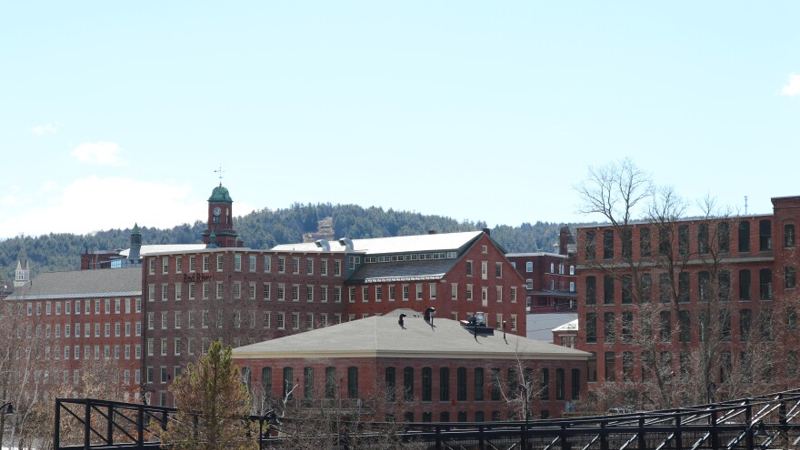
Dartmouth Health opened a new outpatient substance use treatment center in Claremont as of Monday, nearly two years after Valley Regional Hospital joined the Dartmouth Health system. The New Hampshire Attorney General’s office required Dartmouth Health to fund and operate an addiction treatment center at the Claremont hospital for at least 10 years as a condition of the merger, which was approved in 2024. The new program expands a similar center that has operated in Lebanon since 2006. The Lebanon clinic sees about 450 patients per month, with thirty-five percent of Lebanon clinic patients living in Claremont. Dartmouth Health plans to serve about 150 patients per month at the Claremont facility.
Services and Staffing
The clinic will employ about nine staff members including licensed social workers, drug and alcohol counselors, an addiction psychiatrist, a nurse, a medical assistant, a resource specialist, and a peer support recovery coach. Patients can access therapy, peer support groups with intensive outpatient programs requiring about nine hours a week of group meetings, medication-assisted treatment, case management, and social service referrals. The clinic will serve as a satellite location for the New Hampshire Doorway, a state-run and federally-funded program that helps people with substance-use disorders access resources—including screening and evaluation, treatment, prevention, access to naloxone, resources for long-term recovery, and peer recovery services. Anyone can call 211 to be connected with a Doorway. In January, the Lebanon Doorway helped 39 new clients struggling with opioid, alcohol, or stimulant abuse access treatment and social services.
Local Need and Challenges
Sullivan County had the second-highest number of drug overdose deaths per capita of any New Hampshire county from January to November 2025. Claremont saw the most overdose deaths of any town on the New Hampshire side of the Upper Valley during that period. The clinic will offer walk-in and crisis services in Claremont, reducing travel barriers for patients who previously had to reach Lebanon. While providers prefer in-person appointments, virtual or telephone appointments will be available when necessary. The Doorway program can provide transportation assistance for qualified clients, though such assistance requires reliance on others. The Doorway covers up to one month’s stay at recovery houses, which at Hope 2 Freedom costs between $600 and $920 per month.
This article is an AI-assisted summary. All facts and figures are drawn from the original report: https://www.nhpr.org/nh-news/2026-03-16/claremont-dartmouth-health-new-addiction-treatment-valley-regional-hospital