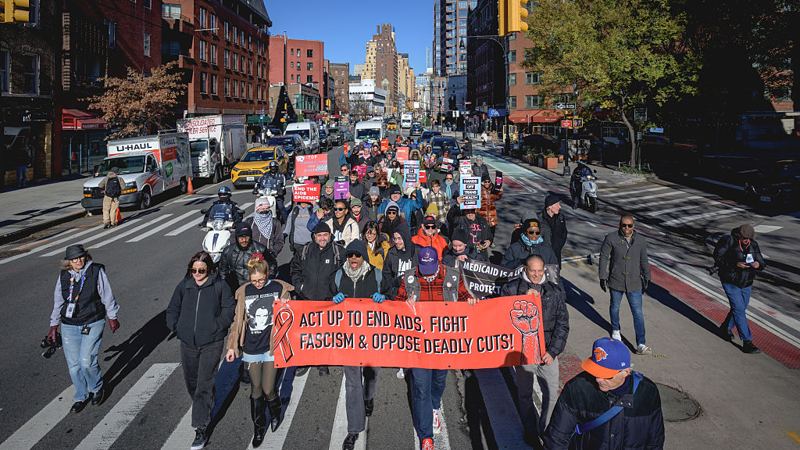
At least 18 states have restricted their HIV drug assistance programs as of January, raising concerns that thousands of low-income people living with HIV could lose access to lifesaving medications. The Ryan White HIV/AIDS Program supports more than 600,000 low-income people living with HIV across the nation, but federal funding for key drug assistance has remained flat at $900.3 million annually since 2014 and has not been adjusted for inflation. States are facing budget constraints from multiple sources including stagnant federal funding, increased drug costs, and rising insurance premiums. New enrollments for state programs jumped 30% from 2022 to 2024, largely because states eliminated pandemic-era Medicaid assistance. Roughly 1.2 million people in the United States live with HIV, with about 1 in 4 receiving support from a state drug assistance program, known as ADAPs.
Florida’s Most Dramatic Changes
Florida has introduced the most severe restrictions, cutting individual income eligibility for its HIV drug program from 400% of the federal poverty level to 130%—reducing maximum annual income from roughly $63,840 to $20,748. The state projects this change will prevent a $120 million shortfall. Florida is also removing Biktarvy, the only single-tablet HIV medication regimen recommended by national guidelines for those starting treatment and the most widely prescribed antiretroviral medication nationally. Eighty percent of Floridians with HIV in the state program use Biktarvy. About 32,000 Floridians currently receive help from the state program, with roughly 16,000 losing coverage entirely. The AIDS Healthcare Foundation sued Florida’s department of health over the changes in late January, and the state issued an emergency rule implementing new eligibility requirements in late February.
Nationwide Restrictions and Concerns
Delaware, Kansas, Pennsylvania, and Rhode Island have also reduced income eligibility, though to lesser extents. In Pennsylvania, about 1,600 people will lose HIV drug assistance coverage as the state imposes income eligibility caps at 350% of the federal poverty level. Arizona, Michigan, Pennsylvania, Rhode Island, Virginia, Washington, and the District of Columbia are considering limiting which drugs they cover. Hawaii, Idaho, Montana, New Jersey, South Carolina, Virginia, and Washington are considering cutting funding for core medication and support services. Three states—Arkansas, Louisiana, and New Jersey—are considering implementing waiting lists as a cost-containment measure. Dr. Sabrina Assoumou, an infectious disease physician, emphasized that consistent access to medication is crucial: “We’ve taken HIV from a very serious virus, a deadly virus when it was first discovered in the ’80s, to a very manageable chronic condition because of the medicines. It is concerning to see that we’re sort of moving backwards.”
This article is an AI-assisted summary. All facts and figures are drawn from the original report: https://truthout.org/articles/states-tighten-hiv-drug-assistance-raising-access-concerns/