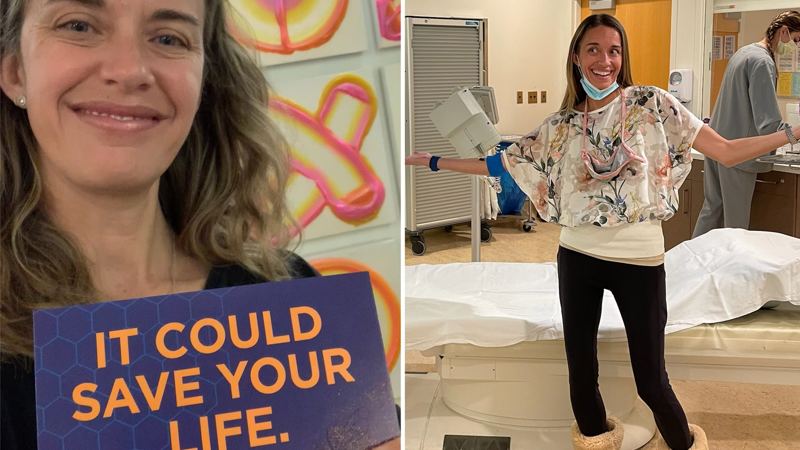
Marisa Peters, a 44-year-old Los Angeles mother of three and former Broadway vocalist, had her colorectal cancer symptoms dismissed by doctors for years before receiving a stage 3 diagnosis in June 2021. Peters first noticed bleeding after bowel movements following the birth of her first son, with symptoms intensifying to include blood filling the toilet, increased urgency, and changes in stool size, shape, and texture. She voiced her concerns to her primary care physician and other doctors, but because she was in her early 30s, she was not considered a typical colorectal cancer patient, as most cases occur in older adults.
Delayed Recognition
Instead of considering cancer, Peters’ doctors attributed her symptoms to post-childbirth body changes. Her symptoms—which included severe anemia—“checked every single box” for colorectal cancer, but this was not recognized at the time. Over five years, she had two more children while experiencing on-again, off-again symptoms. During the final year, blood was constantly present in her bowel movements, prompting her to consult a gastroenterologist. The gastroenterologist’s response indicated the seriousness of what Peters described: blood and stool tests came back positive for colorectal cancer, and an urgent colonoscopy confirmed the diagnosis.
A 5-centimeter tumor was found at the top of her rectum. Peters underwent 11 months of chemotherapy and radiation that produced a complete response, with her tumor shrinking by half. She then underwent rectal reconstruction and received a temporary ileostomy bag for four months to allow the area to heal. After six additional rounds of chemotherapy, she had an ileostomy reversal. Throughout treatment, she continued nursing a 16-month-old and caring for all three children with her husband’s support.
Rising Incidence and Advocacy
Colorectal cancer is now the leading cause of cancer death in adults under 50 and the second leading cause of cancer death overall in the U.S. Adults 65 and younger comprise 45% of all new cases, a significant increase from 27% in 1995. Peters founded BE SEEN, a colorectal cancer nonprofit advocating for earlier intervention and screening, noting that colorectal cancer is “an entirely preventable disease, even though it’s on the rise in people in their 20s, 30s and 40s for reasons we don’t know.” Official health agencies recommend colorectal cancer screenings start at age 45 and continue through age 75 for adults at average risk.
This article is an AI-assisted summary. All facts and figures are drawn from the original report: https://nypost.com/2026/03/14/health/womans-colorectal-cancer-symptoms-dismissed-for-years-before-stage-3-diagnosis/