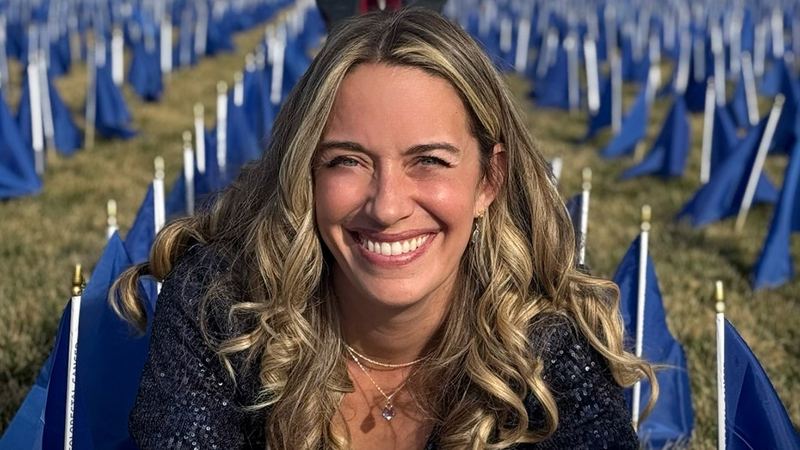
Marisa Peters, a 44-year-old Los Angeles mother of three and former Broadway vocalist, had her colorectal cancer symptoms dismissed by doctors for years before receiving a stage 3 diagnosis in June 2021. Peters first noticed bleeding after bowel movements following the birth of her first son, and her symptoms intensified to include blood filling the toilet, increased bathroom urgency, and changes in stool size, shape, and texture. Despite voicing her concerns to her primary care physician and other doctors, her symptoms were attributed to post-childbirth body changes and never fully investigated.
Delayed Diagnosis and Treatment
Because Peters was in her early 30s when symptoms began, doctors did not consider colorectal cancer a likely diagnosis, as the disease traditionally occurs in older adults. She continued experiencing on-again, off-again symptoms while having two more children over five years. When she finally consulted a gastroenterologist during her last year of symptoms—when blood was consistently present in her bowel movements—the doctor ran blood and stool tests that came back positive for colorectal cancer. Peters was diagnosed after a colonoscopy confirmed a 5-centimeter tumor at the top of her rectum.
Peters underwent 11 months of chemotherapy and radiation that produced a complete response, with her tumor shrinking by half. She then had rectal reconstruction and was fitted with a temporary ileostomy bag for four months. After six additional rounds of chemotherapy, she had an ileostomy reversal. Throughout treatment, she continued caring for her three children while her 16-month-old was still nursing.
Rising Disease in Younger Adults
According to the American Cancer Society, colorectal cancer is now the leading cause of cancer death in adults under 50 and the second leading cause of cancer death overall in the U.S. Adults 65 and younger comprise 45% of all new cases, a significant increase from 27% in 1995. Peters noted that statistics show the disease has been rising in younger individuals, yet many patients present with late-stage diagnoses that lead to higher mortality rates.
Peters founded Be Seen, a colorectal cancer nonprofit advocating for earlier intervention and screening. She emphasizes that knowing family health history is important, particularly after discovering that her sister, parents, and she herself had pre-cancerous polyps. Official health agencies recommend colorectal cancer screenings start at age 45 and continue through age 75 for adults at average risk.
This article is an AI-assisted summary. All facts and figures are drawn from the original report: https://www.foxnews.com/health/womans-alarming-cancer-symptoms-blamed-pregnancy-years-before-stage-3-diagnosis