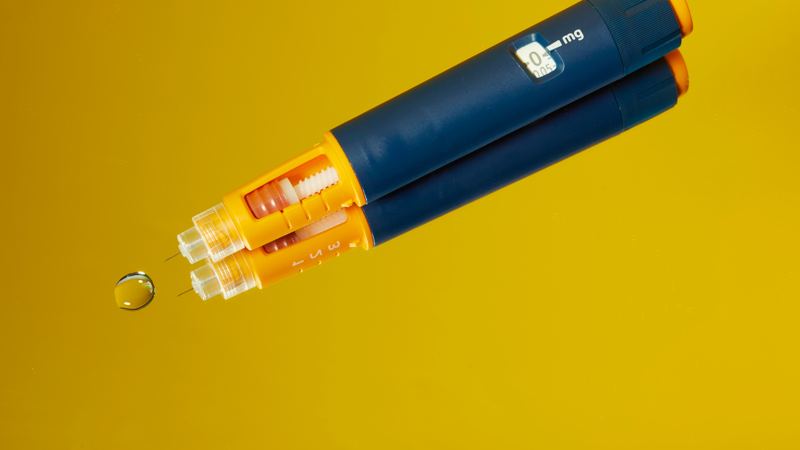
GLP-1 drugs, which mimic a natural hormone released after eating, have dramatically expanded since Ozempic (semaglutide) entered the market in 2017 for type 2 diabetes treatment. Wegovy, another GLP-1 glucagon-like peptide receptor agonist, was approved specifically for weight loss in 2021. These medications target receptors in the digestive system and brain, changing hormone balance to increase satiety and reduce the speed at which nutrients move through the digestive tract.
Studies show semaglutide delivers approximately 15% weight loss, while tirzepatide—a dual GLP-1 and GIP (gastric inhibitory polypeptide) receptor agonist—delivers closer to 20% weight loss. On the horizon is retatrutide, a triple agonist that also activates glucagon released by pancreatic endocrine cells and has been shown in initial trials to deliver an average weight loss of close to 25%. Beyond weight loss, GLP-1s can treat metabolic diseases including type 2 diabetes, sleep apnea, fatty liver disease, and coronary artery disease.
Men may be slightly more susceptible to certain side effects than women, particularly nausea and constipation when starting these medications. The most common side effect is fatigue. Anhedonia—loss of pleasure in activities like exercise—is also reported. Muscle loss is common with any significant weight loss, with between 10 and 20% of weight lost potentially being muscle, though this can be mitigated through weight training and eating enough protein. The Wegovy pill, which hit the market early in the year, must be taken at the same time every day on an empty stomach and delivers slightly less weight loss—typically in the low teens, 11 to 13%—with a worse nausea profile than tirzepatide. Foundayo, another pill approved by the FDA in April, is a small molecule drug without restrictions around timing.
Costs vary widely depending on insurance coverage, but as this space continues to grow, prices are likely to come down. Clinical trials suggest these are lifelong treatments, though some patients transition successfully to other medication classes for maintenance. Most doctors now consider these “chronic treatments” similar to antidepressants or antihypertensives.
This article is an AI-assisted summary. All facts and figures are drawn from the original report: https://www.menshealth.com/health/a70715853/mens-health-guide-to-weight-loss-drugs/