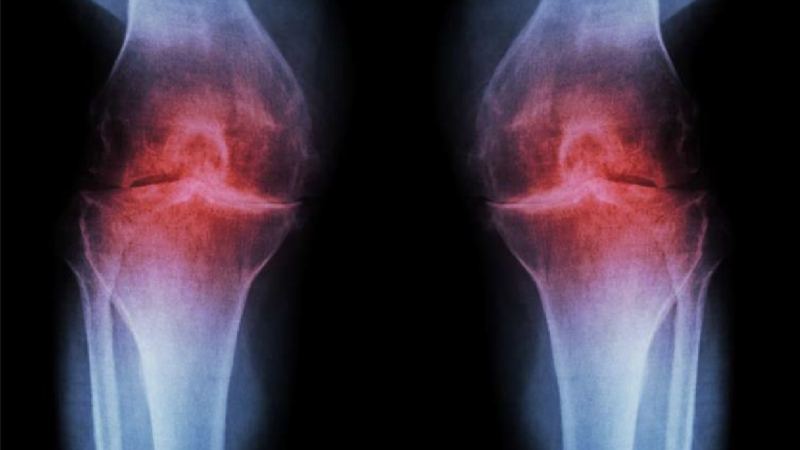
Knee osteoarthritis has long been viewed as an inevitable part of aging, but a 30-year body of research suggests that may not be true. Steve Messier, a biomechanics expert and professor of Health and Exercise Science at Wake Forest University, aims to prevent the debilitating condition rather than simply treat it. Through clinical studies, his team has confirmed that exercise reduces pain and improves function in older adults with knee osteoarthritis, and that weight loss plus exercise can reduce pain better than diet or exercise alone.
The Disease and Risk Factors
Knee osteoarthritis is a degenerative disease where joint cartilage breaks down and is accompanied by inflammation of the joint’s soft tissue, causing pain, stiffness, and reduced mobility. Obesity is a major risk factor, as it increases load on the joint and includes pro-inflammatory cytokines that increase joint inflammation. Osteoarthritis is the leading cause of disability in adults, affecting an estimated 50 million people in the U.S. Risk factors include injury, being overweight, and being female—approximately seventy percent of people with knee osteoarthritis are female.
Research Findings
In the Fitness Arthritis and Seniors Trial (FAST), Messier’s team showed that both walking and strength training were superior to a control group in reducing pain, improving function, and quality of life. In the ADAPT study, which compared the effect of 5 percent weight loss plus exercise in various combinations to a control group, the diet plus exercise group demonstrated superior results. A follow-up study examining 10 percent weight loss plus exercise found twice the improvement compared to the 5 percent weight loss group. The National Institutes of Health now recommends 10 percent weight loss as the gold standard.
Prevention Through The Osteoarthritis Prevention Study
The Osteoarthritis Prevention Study (TOPS), with $17.1 million in funding, will determine if weight loss and exercise can help women at risk avoid developing knee osteoarthritis altogether. The study has four clinical sites—Boston, Chapel Hill, Wake Forest, and Sydney, Australia—and is recruiting 1,230 women 50 years or older with obesity who do not yet have osteoarthritis. Researchers predict at least 30 percent fewer women in the diet plus exercise group will develop knee osteoarthritis within four years compared to a control group.
This article is an AI-assisted summary. All facts and figures are drawn from the original report: https://news.wfu.edu/2026/03/09/people-think-knee-pain-is-inevitable-as-they-age-that-may-not-be-the-case/