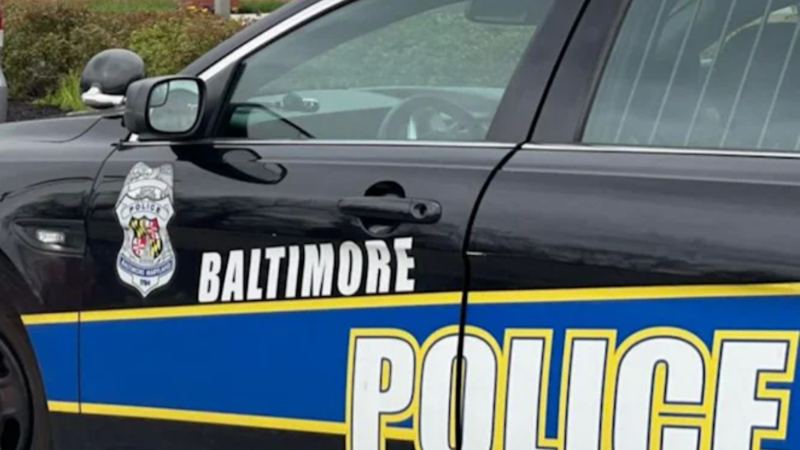
Baltimore’s mental health crisis response system is overwhelmed by demand that far exceeds its capacity, leaving specialized teams and patrol officers stretched thin while most behavioral health emergencies continue to route through traditional police dispatch.
A Team Built for Yesterday’s Needs
The city’s crisis response unit, created nearly a decade ago, operates with minimal staffing: a single midday shift consisting of just three officers, one sergeant, and one lieutenant. According to reporting, Officer Angelo Cossentino estimated the team handles two or three very serious calls a week while conducting roughly 20 door-to-door checks a day. This gap between available resources and actual demand means routine welfare checks often escalate into major incidents requiring multiple units and high-ranking supervisors.
Training Progress Falls Short of Need
The Baltimore Police Department reports that roughly 28–30% of patrol officers have completed crisis intervention training, representing progress highlighted in the department’s year-end report. However, this improvement still leaves many shifts without a fully trained officer available to lead responses to behavioral health emergencies, limiting the department’s ability to de-escalate situations or redirect calls away from enforcement.
Diversion Efforts Stall
Baltimore launched a 911 diversion pilot designed to route certain behavioral health calls to the Here2Help hotline instead of automatically dispatching police. Yet referrals have declined over time, dipping from several hundred to only a few hundred annually in recent years. Baltimore Crisis Response, Inc., which operates the hotline and regional 988 lifeline, attributes this stall to staffing levels, limits on which call types can be routed, and competing duties that constrain capacity.
Path Forward Under Scrutiny
City officials are pursuing alternatives. Council President Zeke Cohen is advocating a model that would send eligible 911 calls to licensed clinicians or trained peers instead of officers. The mayor has directed additional funding to crisis services and authorized program expansions. Meanwhile, an independent audit cited by The Baltimore Banner found that at least 15% of sampled behavioral health calls should have been routed to crisis teams rather than police. The Maryland Attorney General’s Independent Investigations Division is investigating recent police-involved deaths during behavioral encounters, and the city’s consent decree work links crisis training and diversion goals to broader police reform efforts.
This article is an AI-assisted summary. All facts and figures are drawn from the original report: https://hoodline.com/2026/03/stretched-to-the-limit-baltimore-s-tiny-crisis-squad-struggles-to-catch-911-waves/