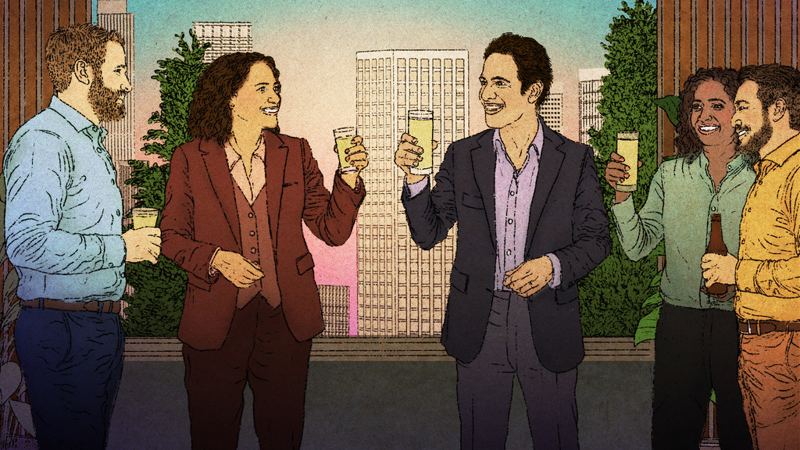
Individuals in recovery from alcohol addiction face workplace cultures in which alcohol is often encouraged and expected, through after-work happy hours, corporate parties, and client meetings at bars. Treatment professionals and people who have navigated sober careers emphasize that protecting sobriety must take priority over social pressures and concerns about career advancement.
Lisa Smith, a former lawyer who struggled with substance abuse at a prestigious New York law firm, learned that co-workers care less about what’s in your cup than expected. According to Smith, setting boundaries is essential. She noted that younger generations with access to mocktails and non-alcoholic beer have normalized not drinking and brought workplace familiarity with mental health and substance use discussions. When Smith refused alcoholic beverages, she found that most co-workers showed little concern. She also discovered there were more people around her who didn’t drink than she had previously realized, whether for religious or other personal reasons.
Ermanno DiFebo, a production designer in Los Angeles who struggled with alcohol addiction, initially came up with excuses for not drinking, such as having a medical appointment or needing to wake early. He now encourages people to think about alcohol addiction as a food allergy—if someone were allergic to gluten, they would stop eating it. DiFebo observed that on-set recovery meetings at major studios revealed there were many people in recovery working alongside heavy drinkers, but they were not visible before.
Employers benefit from fostering recovery-friendly workplaces. According to Heidi Wallace, vice president of recovery services at the Betty Ford Center, individuals actively working a recovery program are highly productive employees who rarely call out sick and are more likely to volunteer. Companies can facilitate recovery by creating spaces for employees to attend virtual meetings during the workday or host on-site meetings. Smith works to demonstrate that team-building events can be engaging without centering on alcohol, through activities like hiking and wellness events, or by making non-alcoholic beverage options readily available at functions.
This article is an AI-assisted summary. All facts and figures are drawn from the original report: https://sentinelcolorado.com/uncategorized/what-to-say-if-youre-in-recovery-and-your-workplace-encourages-social-drinking/