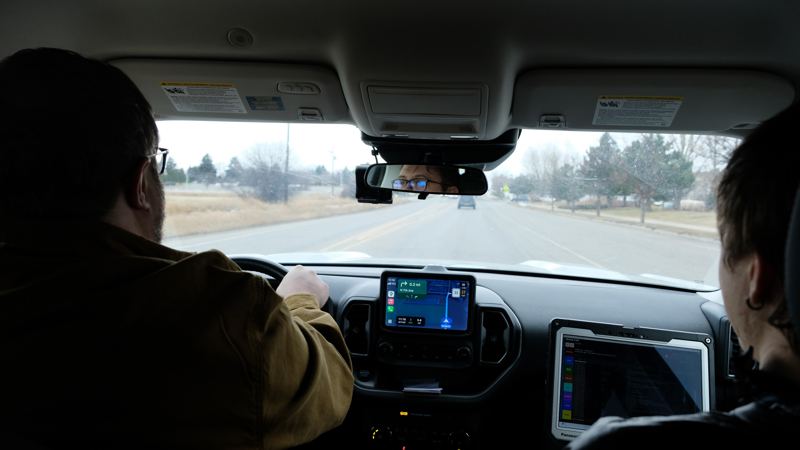
Mobile crisis response teams across the country have proven effective at de-escalating mental health crises without police involvement, yet many are facing closure due to inadequate and inconsistent funding. A recent survey found at least 1,800 mobile teams nationwide in 2023, but financial instability is forcing some communities to shut down services despite strong local support.
Proven Effectiveness and Growing Demand
The strategy of sending trained crisis teams rather than police to mental health emergencies began in the late 1980s in Eugene, Oregon, and gained national momentum over the past 10 years. Crisis response teams are trained to de-escalate situations and provide appropriate therapeutic care—skills most police officers lack. An analysis of police-involved fatal shootings across 27 states found that about a third of the victims showed signs of being in crisis. Another study found that people with serious mental illness were at least 11 times as likely to experience use of force by police as those without. The Bozeman mobile crisis team, available 12 hours a day seven days a week, has reduced the time Bozeman police officers must spend on mental health calls by nearly 80% and prevented unnecessary emergency room visits. Most crisis calls end with people staying where they are, avoiding either a hospital visit or jail. However, program costs exceed available funding: the Bozeman team costs roughly $1 million a year to run, while two Montana programs—one in Great Falls and one in Billings—recently shut down. Six units remain in Montana.
Fragmented Funding Sources and Medicaid Limitations
Mobile crisis programs don’t have a single reliable funding source and rely on a patchwork of grants, local support, and insurance reimbursement. Two-thirds of states allow Medicaid reimbursement for crisis calls, but rates vary significantly. In Montana, Medicaid reimburses the team only for time spent responding to calls in the field; additional time for documentation and readiness isn’t reimbursed. Eight states—including New Jersey, California, and Washington—mandate that private insurers cover mobile crisis calls, and at least 10 states have implemented fees on cellphone bills to help pay for service. Montana provides about $2 million annually in supplemental funds, but program managers report the paperwork to access funding is complicated.
Implications for System-Wide Mental Health Reform
The instability threatens Montana’s efforts to overhaul its mental health system. The state plans to open Certified Community Behavioral Health Clinics (CCBHCs) later this year, which receive boosted federal funding but are required to offer round-the-clock mobile crisis services. That requirement may be challenging for rural communities already struggling with existing programs. As one program manager noted about the funding situation: “Is it a priority for our state or not?”
This article is an AI-assisted summary. All facts and figures are drawn from the original report: https://kffhealthnews.org/news/article/police-mental-health-calls-988-911-mobile-crisis-teams-funding/