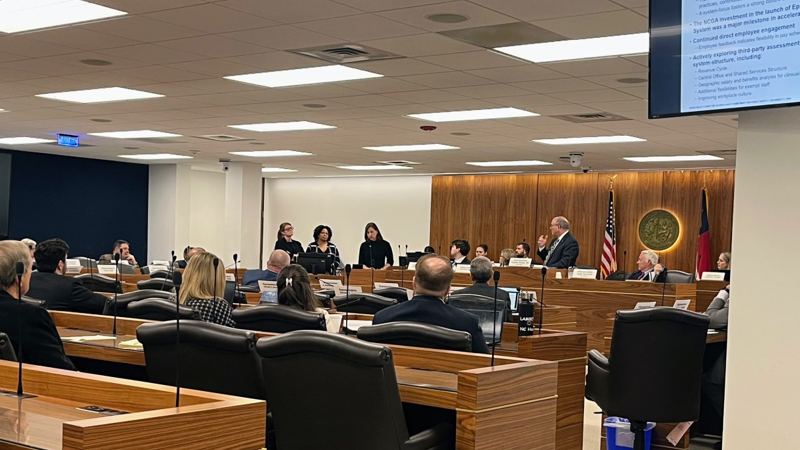
North Carolina lawmakers are examining involuntary outpatient commitment as a tool to address the revolving door of people with severe mental illness cycling through emergency departments, jails, and psychiatric hospitals. The state has had an outpatient commitment law on the books for decades, but current implementation remains limited and controversial, raising complex questions about coercion, autonomy, and treatment efficacy.
Narrow Target Population and Aims
Involuntary outpatient commitment is a court-ordered program requiring individuals with severe and persistent mental illness to follow an intensive community-based treatment plan outside a hospital. The target population is narrow: people with severe psychotic disorders who lack insight into their own illness, refuse treatment and medication, and have a documented history of repeated hospitalization, incarceration, or violence. According to Carrie Brown, psychiatrist and chief medical officer at the North Carolina Department of Health and Human Services, the goal is to “get upstream” and “prevent crisis episodes, rather than only intervene at the time of crisis.” The committee formed to examine the involuntary commitment process learned that though North Carolina has had the law for decades, there is no current data on how often it is used. The mental health infrastructure that supported these commitments has deteriorated over years of system restructuring and underfunding.
Evidence from Research
Research presents a mixed picture on forced outpatient treatment’s effectiveness. A 2001 study in North Carolina by psychiatrist Marvin Swartz found that patients paired with intensive mental health services were about a third less likely to be rehospitalized, had shorter hospital stays, and showed less aggressive behaviors—with greatest benefit when orders lasted six months or longer. However, Swartz cautioned that the mental health system has eroded since that study. Mental health researcher Nev Jones concluded from analyzing three randomized control trials that there is no clear evidence that a court order—separate from intensive services—produces better outcomes than voluntary treatment. Voluntary programs such as Assertive Community Treatment and supportive housing have a well-established evidence base for improving outcomes without coercion. California’s CARE Court program, launched in 2022 to compel treatment, saw disappointing outcomes: over two years, 2,421 petitions were filed but only 14 involuntary plans were enforced.
Ethical Concerns and Disability Rights
Many in the mental health community have ethical concerns with coerced treatment because it ignores personal autonomy. People who have experienced involuntary hospitalization report being further traumatized and some are reluctant to seek future mental health services due to fear of forced treatment. Disability rights advocates contend that North Carolina already overuses involuntary inpatient treatment in ways that violate rights and cause long-term harm. The state Department of Health and Human Services has proposed changes including requiring documentation of why outpatient commitment is the most appropriate option, assigning navigators for ongoing monitoring, extending maximum commitment from 90 to 180 days, and expanding community services teams. Whether such reforms can be funded remains uncertain.
This article is an AI-assisted summary. All facts and figures are drawn from the original report: https://www.northcarolinahealthnews.org/2026/03/02/nc-lawmakers-consider-outpatient-commitment-severe-mental-illness/