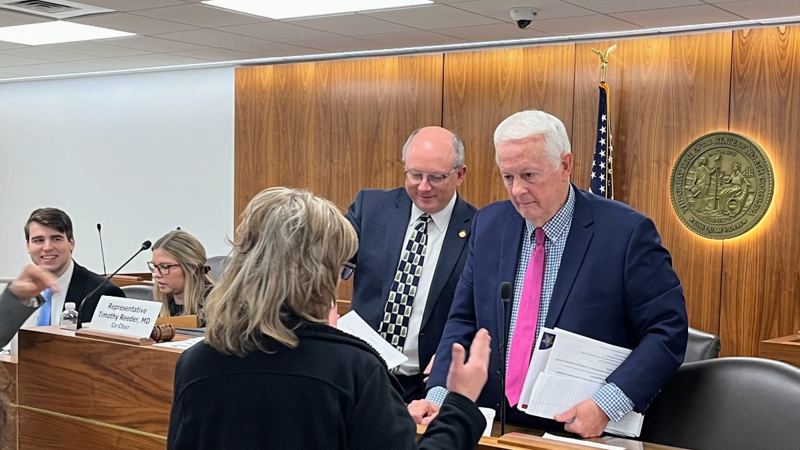
North Carolina lawmakers have been grappling with systemic failures in the state’s intertwined mental health and criminal justice systems since November through monthly meetings of the House Select Committee on Involuntary Commitment and Public Safety. The committee is addressing the revolving door of people with mental illness who cycle through emergency departments, jail cells, and psychiatric hospitals, seeking to identify actionable recommendations to forward progress on solutions.
System Strain and Capacity Issues
Jail and prison officials report their facilities are overburdened and over budget housing incarcerated people with intensive health needs, particularly mental illness. State-run psychiatric hospitals are filled with an increasing number of patients arrested for crimes who are not mentally well enough to participate in legal proceedings. With few vacancies at state psychiatric facilities, mental health patients in crisis can wait days or weeks for appropriate inpatient beds. Many are being treated at private psychiatric facilities, some arguably providing lower quality care than state hospitals.
Iryna’s Law and Its Complications
The impetus for these discussions followed an August tragedy where a young woman was stabbed to death on a commuter train by a man with a criminal history and mental health issues who had cycled through hospitals and the criminal justice system. North Carolina lawmakers passed Iryna’s Law a month later, named after victim Iryna Zarutska, which tightened pretrial release conditions and changed involuntary commitment processes. The law mandated psychiatric evaluations at emergency rooms for people arrested for crimes who meet mental health criteria. However, lawmakers acknowledged the law was passed hastily with little input and will require amendment.
A key dispute emerged over evaluation locations: hospital officials said bringing criminally charged patients to emergency departments would strain staff and pose safety risks, preferring virtual evaluations while individuals remain in jail. Sheriffs’ representatives countered that jails lack medical resources to handle physical conditions that may present as psychiatric symptoms. Rep. Tim Reeder noted: “It is a huge, complicated system that has taken 20 years to evolve into what it is, and we’re not going to fix it in six months of meeting five times.” The committee will meet March 18 and release findings and recommendations in April. A public comment portal opened on the General Assembly’s website, closing April 1.
This article is an AI-assisted summary. All facts and figures are drawn from the original report: https://www.northcarolinahealthnews.org/2026/02/26/involuntary-commitment-committee-lawmakers-mental-health-system-public-input/