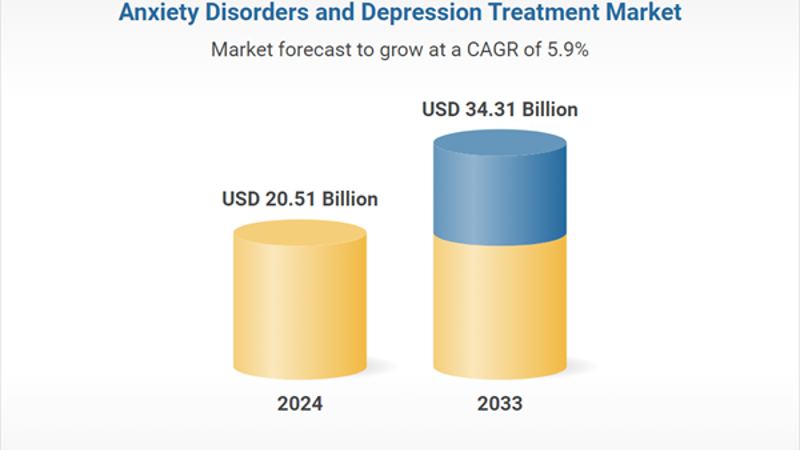
The global anxiety and depression treatment market is projected to grow from USD 20.51 billion in 2024 to USD 34.31 billion by 2033, reflecting a compound annual growth rate of 5.88% driven by increased mental health awareness, elevated stress levels, and advances in treatment options. Pharmaceutical firms, governments, and digital health innovators are expanding access to both pharmacological and non-pharmacological therapies worldwide.
Digital Health and Telemedicine Expansion
Digital therapeutics and telemedicine are revolutionizing treatment delivery, with online therapy, mental wellness apps, AI chatbots, and telepsychiatry enabling remote access to care, particularly benefiting rural communities with limited mental health resources. India’s National Tele Mental Health Programme launched Tele MANAS, a toll-free number (14416) offering nationwide access to telephony-based counselling, psychotherapy, psychiatric consultation, and emergency care services. The COVID-19 pandemic accelerated adoption of virtual care, with digital solutions now integrated into mainstream practice, improving treatment compliance and enabling personalized interventions based on patient data.
Pharmacological Innovations
Continued research has produced newer-generation antidepressants and anti-anxiety medications with improved safety profiles and fewer side effects, including serotonin-norepinephrine reuptake inhibitors (SNRIs) and atypical antipsychotics. Developments in fast-acting and targeted medications using genetic markers are addressing treatment-resistant cases. Johnson & Johnson received FDA approval in January 2025 for a supplemental New Drug Application for SPRAVATO (esketamine) nasal spray, the first monotherapy for adults with major depressive disorder who have failed at least two oral antidepressants.
Persistent Challenges
Treatment-resistant depression and anxiety affect a notable proportion of patients despite multiple available therapies, with elevated relapse rates, chronic symptoms, and recurrent episodes compromising quality of life and raising healthcare expenses. Access disparities persist in low- and middle-income countries, where inadequate trained staff, facilities, affordable medications, cultural stigma, and poor insurance coverage prevent patients from seeking care. Distance to mental health centers and limited internet connectivity further amplify treatment gaps in rural locations.
This article is an AI-assisted summary. All facts and figures are drawn from the original report: https://finance.yahoo.com/news/anxiety-disorders-depression-treatment-market-142400722.html