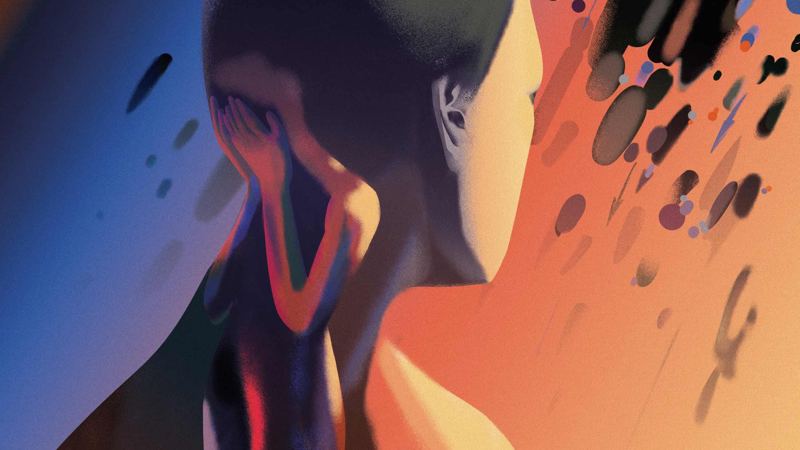
Rejection sensitive dysphoria, a condition characterized by intense emotional reactions to perceived rejection or criticism, is gaining visibility as patients and professionals increasingly recognize its impact on mental health and daily functioning.
What Is RSD?
Although not a formal diagnosis, rejection sensitive dysphoria frequently occurs alongside ADHD, autism, and generalized anxiety disorder. RSD as a term was first used in the 1960s but has become more common in recent years, with one Facebook support group now having 67,000 members and thousands of TikTok posts dedicated to it. According to Dr. William Dodson, a Denver-based psychiatrist and leading expert in the field who began working with ADHD patients in the mid-90s, about 95% of his ADHD patients with RSD report, “Oh my God, that’s me,” often bursting into tears. For approximately 25% of his patients, RSD is “the most impairing part of their lives.”
Physical and Emotional Impacts
RSD manifests with intense, disproportionate reactions to rejection, teasing, or perceived criticism. People experience physical symptoms including chest tightness, stomach pain, breathlessness, and palpitations. Dr. Shyamal Mashru, an adult ADHD specialist in north London, reports seeing many patients so severely affected that they have become breathless or had palpitations, with some even visiting accident and emergency departments. The dysphoria—which in Greek means “unbearable”—distinguishes RSD from everyday rejection sensitivity by being “several orders of magnitude stronger,” according to Dodson.
Behavioral Responses
Dodson identifies three common coping mechanisms: people-pleasing (ensuring others don’t criticize or reject them), perfectionism (becoming above reproach), and withdrawal (avoidance due to fear of rejection). The third group, he notes, includes “very bright, educated people who still live in their parents’ basement, unemployed. They’ve never asked a person out on a date. They’ve never applied for a job.”
Treatment Approaches
Treatment varies by specialist. Dodson has found that Alpha-2 Agonists, typically prescribed for high blood pressure, can be effective for RSD alongside therapy. Mashru tends toward “non-medical approaches,” including coaches helping patients relearn emotional responses. Antidepressants combined with therapy addressing low self-esteem have also shown benefits. Recent recognition of RSD has begun to influence employment law, with at least one employment tribunal awarding damages to an employee after finding the employer had acted unlawfully regarding her condition.
This article is an AI-assisted summary. All facts and figures are drawn from the original report: https://www.theguardian.com/society/2026/feb/25/rise-of-rejection-sensitive-dysphoria