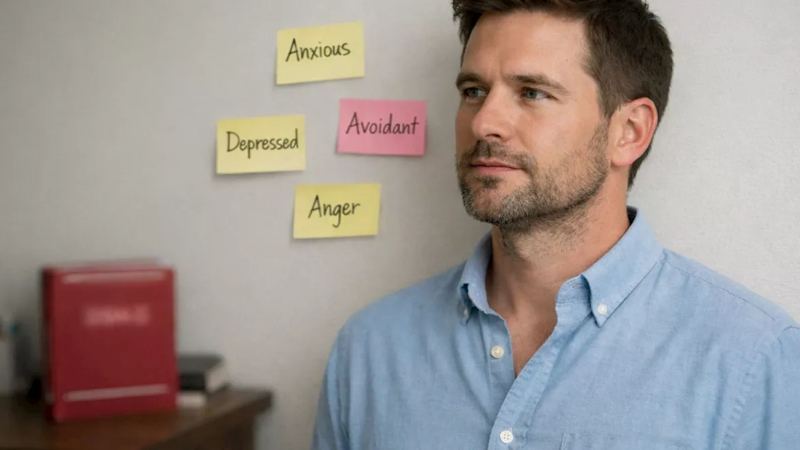
While diagnosis can clarify patterns in mental health, it risks limiting possibility when explanation transforms into identity. The distinction between describing a pattern one experiences and defining who one fundamentally is carries profound consequences for personal growth.
Diagnosis serves important functions in modern mental health care. It reduces shame by naming patterns that were previously misunderstood or moralized. It provides access to treatment by supplying diagnostic codes necessary for insurance reimbursement. Before diagnostic language existed, people were often blamed for conditions they did not understand. Naming patterns brought structure to suffering and helped people feel less alone.
The problem arises not from diagnosis itself, but from what happens after diagnosis is given. When diagnosis replaces inquiry, growth narrows. The shift is subtle but powerful—moving from “this describes a pattern I experience” to “this is who I am.” Once an identity hardens around a label, curiosity often fades, and without curiosity, development stalls. A man who says “I have anger issues” can understand and work with that pattern, whereas one who becomes “an angry guy” may unconsciously permit himself to justify the behavior rather than examine it.
Language choices matter significantly. Saying “I am anxious” feels different from “I felt anxious in that situation.” The first suggests permanence; the second leaves room for change. When someone was “just wired this way,” one might ask instead: “When did you first learn to respond this way?” This shift moves conversation from identity to history, from fixed structure to adaptive pattern. Most behaviors that later receive diagnoses began as intelligent responses to earlier environments—hypervigilance may have once been protection, withdrawal may have once preserved dignity, anger may have once defended vulnerability.
The stories people tell about themselves quietly organize their futures. Diagnosis should function like a map, showing terrain without deciding the journey. It can illuminate patterns and open doors to care, but should never define the limits of who someone believes they can become. When diagnosis increases understanding and deepens responsibility, it serves growth. When it reduces effort and narrows identity, it limits it. Human beings are too complex to be confined to a label.
This article is an AI-assisted summary. All facts and figures are drawn from the original report: https://us.headtopics.com/news/a-diagnosis-should-guide-growth-not-limit-possibility-80114745