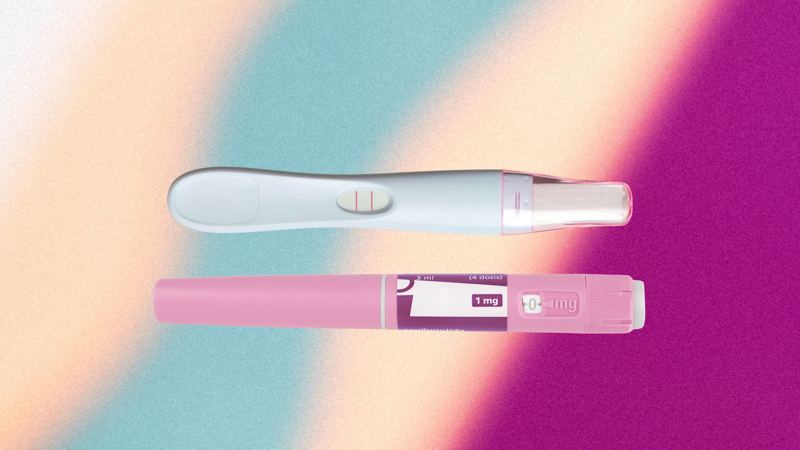
GLP-1 medications including semaglutide (Ozempic and Wegovy) and tirzepatide (Mounjaro and Zepbound) can improve fertility in certain women, particularly those struggling with overweight, obesity, or polycystic ovary syndrome (PCOS). However, because these medications are relatively new and research is ongoing, experts advise against using them during pregnancy.
Research shows that high blood sugar and excess body fat can affect ovulation. Up to a third of women with a high BMI do not ovulate regularly or have irregular ovulation. People with PCOS tend to have elevated testosterone levels, which can affect egg follicles, increase insulin resistance, and encourage fat storage. GLP-1 medications can improve insulin sensitivity and support weight loss, making ovulation more predictable and potentially helping women conceive sooner.
The Food and Drug Administration’s guideline for semaglutide is to wait two months before trying to conceive. For tirzepatide, the recommendation is to stop taking it upon learning of pregnancy. This conservative approach reflects the lack of large-scale human studies confirming safety in pregnant women. Early research indicates no increase in birth defect risk from first-trimester GLP-1 exposure, but researchers need studies with larger sample sizes for confident conclusions.
Timing considerations are important because stopping medication two months before conception attempts, combined with the time it takes to actually conceive, can result in weight regain and loss of the medication’s benefits. Planning with healthcare providers is critical. Some people using GLP-1 for weight management might feel comfortable taking the medication until discovering pregnancy, while others prefer a two-month buffer period. If unintentional exposure occurs during pregnancy, providers note that “unintentional exposure is not a reason to panic or assume harm.”
After pregnancy and delivery, restarting GLP-1 is considered safe, though restarting is not recommended while nursing due to limited research on how medications could impact both mother and child. Experts suggest around six weeks is a standard timeline for recovery before considering restart, though longer recovery may be appropriate after cesarean delivery. It’s important to work with healthcare providers on a postpartum plan and maintain mental health support when making these decisions.
This article is an AI-assisted summary. All facts and figures are drawn from the original report: https://www.self.com/story/glp-1-during-pregnancy-conception