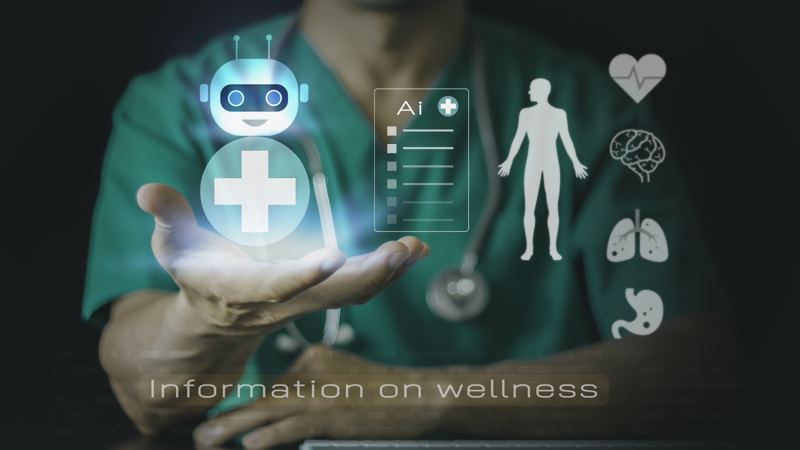
People are increasingly turning to ChatGPT and other AI tools for health advice, using them to make sense of symptoms, decode medical letters, understand diagnoses, seek reassurance before appointments, and prepare questions for clinicians. Healthcare consultants note that AI use is ubiquitous, and healthcare providers should assume that patients may have already asked ChatGPT before coming in and will ask it again after they leave.
According to medical experts, AI tools can be genuinely helpful in specific ways. They enable patients to have what feels like a private conversation on health issues with a tool programmed to be helpful, and they provide constant access to information regardless of time of day. When used carefully, AI can help people feel more informed and engaged in their health, which aligns with improved health outcomes. The tools excel in a “translator” role, turning medical jargon into plain language, which helps both patients and doctors ensure good understanding of conditions.
However, experts identify significant risks. AI tools can get things wrong through misattributed sources, outdated information, or hallucinations where systems confidently present false information. More critically, while AI can pull together large amounts of information, it lacks the clinical context and diagnostic expertise of physicians. The same symptoms can mean very different things depending on age, sex, and risk factors—context that AI often lacks. Experts also caution that the same traits making AI appealing—confidence, fluency, and reassurance—can be dangerous. A confident answer is not the same as a correct one, and incorrect answers can delay necessary care.
Experts recommend using AI as a supporting tool, not a substitute for medical care. They advise checking for outdated advice, verifying everything, being mindful of privacy, and using AI for lower-risk tasks like understanding diet, exercise, stress relief, medications, and tests rather than for diagnosis or treatment changes. Most importantly, experts stress not taking ChatGPT’s advice over one’s own instinct about symptoms.
This article is an AI-assisted summary. All facts and figures are drawn from the original report: https://www.techradar.com/ai-platforms-assistants/a-confident-answer-isnt-the-same-as-a-correct-one-i-asked-medical-experts-whether-you-should-use-chatgpt-for-health-advice-and-i-was-shocked-by-their-answers