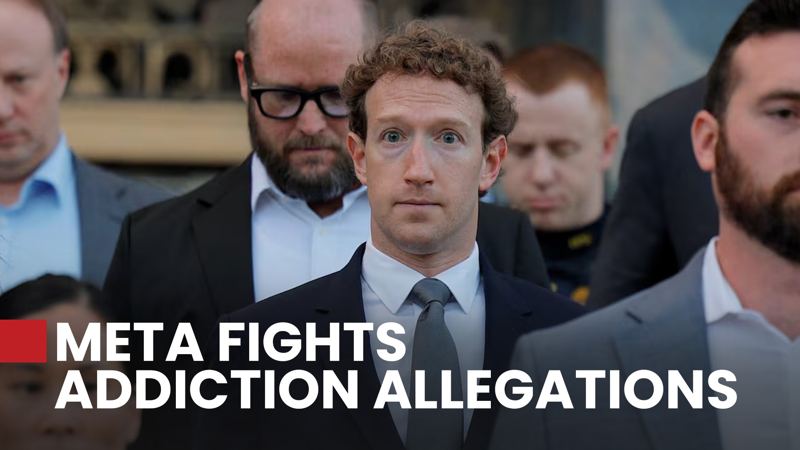
Mark Zuckerberg testified in a high-profile lawsuit testing whether social media platforms like Instagram and YouTube were designed in ways that harm children’s mental health and lead to addiction-like behaviors. The case was filed in 2023 by a plaintiff who alleges she began using social media at age nine and suffered anxiety, depression, and other long-term effects as a result.
In his testimony, Zuckerberg strongly denied that Instagram was engineered to be addictive to children, or that Meta targets minors to boost engagement and profits. He reiterated that the platform’s age policy has long prohibited users under 13, and argued that higher usage is a sign of value and utility, not manipulation.
Under questioning about internal documents that at times showed earlier engagement goals tied to time spent on the app, Zuckerberg maintained that the company has shifted its focus to utility rather than addictive design. Plaintiffs’ attorneys highlighted features such as infinite scrolling, algorithmic recommendation systems, and cosmetic filters, elements critics say resemble variable reward loops similar to gambling mechanics.
The trial is notable because it sidesteps many of the legal protections normally enjoyed by tech platforms, challenging long-standing assumptions about liability for user behavior. Beyond this case, social media addiction and youth safety have already influenced policy debates and legislation, including attempts in California to regulate addictive feeds and age-related features. Whether Zuckerberg’s testimony shifts public or legal views could have wide-ranging effects on how platforms approach design, safety, and youth protection going forward.
This article is an AI-assisted summary. All facts and figures are drawn from the original report: https://interestingengineering.com/videos/zuckerberg-denies-addiction-claims