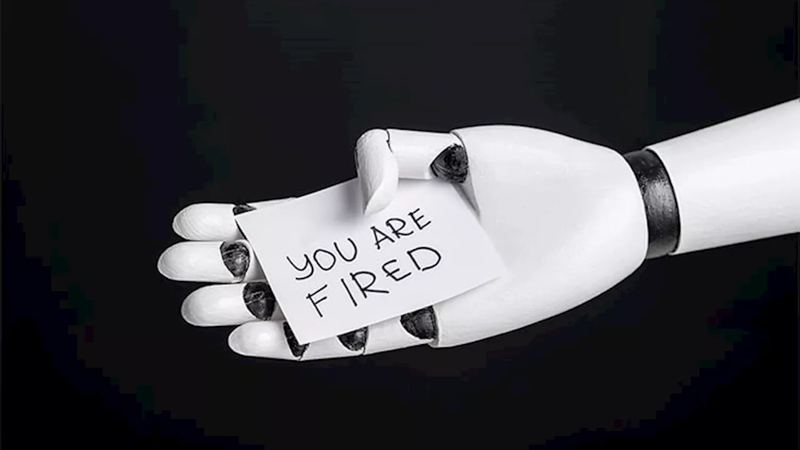
Researchers have proposed a new term for the psychological distress many workers experience regarding job displacement by artificial intelligence. Researchers call this condition “AI replacement dysfunction” or AIRD, defined as a “new, proposed clinical construct describing the psychological and existential distress that could be experienced by individuals facing the threat or reality of job displacement due to artificial intelligence.”
The condition carries common symptoms including anxiety, insomnia, depression, and identity confusion that may reflect deeper fears about relevance, purpose, and future employability. It can lead to additional challenges like psychiatric disorders and substance abuse. Though AIRD isn’t yet an accepted clinical diagnosis, researchers have created a framework to help identify it, including a screening questionnaire designed to help clinicians spot potential symptoms.
While concrete evidence of significant job losses from AI hasn’t yet materialized, workers are increasingly suffering from distress caused by constant fear of replacement. Survey findings show that 71% of respondents said they were concerned that AI will put “too many people out of work permanently,” and more than half of Americans are worried about how AI in the workplace will impact their jobs. People working in jobs particularly susceptible to automation are more likely to report feeling more stress and other negative emotions.
Treatments for AIRD will be up to individual clinicians, but researchers highlight Cognitive Behavioral Therapy and other cognitive restructuring techniques to help patients build psychological resilience and restore a coherent sense of self. These approaches aim to help workers develop coping strategies in the face of uncertain employment futures.
This article is an AI-assisted summary. All facts and figures are drawn from the original report: https://us.headtopics.com/news/there-s-a-new-term-for-workers-freaking-out-over-being-79900470