People have shared the choices, habits, and moments that helped them through dark periods and begin feeling like themselves again. Strategies ranged from making everyday changes to reaching out for help, showing that mental health recovery takes many forms.
Common themes emerged: several people found relief in doing things their depression discouraged—going outside, seeing people, and taking care of themselves. One person moved across the country to escape a small town with dead ends, building a new life and making new friends. Another adopted a cat inadvertently but found that having a creature depend on them gave structure to their days. Some used small daily habits like writing positive reviews for local businesses, while others treated self-care mechanically, checking off a list: feeding and watering themselves, moving their body, getting sunlight, and attempting human connection.
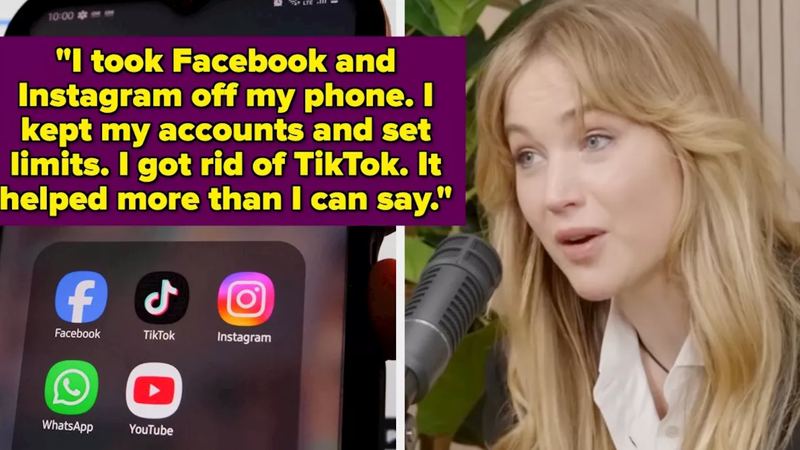
Professional help proved critical for many. Several people emphasized the importance of calling a friend or crisis contact when feeling unsafe, with medication being transformative for some. Others found relief through social media reduction, forcing themselves outside their comfort zones, or changing substance use. One person stopped smoking weed daily and discovered their ability to feel good about simple things—food, showers, sunsets—gradually returned. Many emphasized that progress happens gradually, sometimes invisibly, and that seeking help is not weakness but necessary action. The 988 Lifeline is available 24/7/365 for free, confidential conversations, and SAMHSA’s National Helpline at 1-800-662-HELP provides substance abuse resources. Common threads across all stories: consistency matters, grace for setbacks is essential, and change, however slow, is possible.
This article is an AI-assisted summary. All facts and figures are drawn from the original report: https://us.headtopics.com/news/people-are-sharing-the-best-things-they-did-for-their-79849753