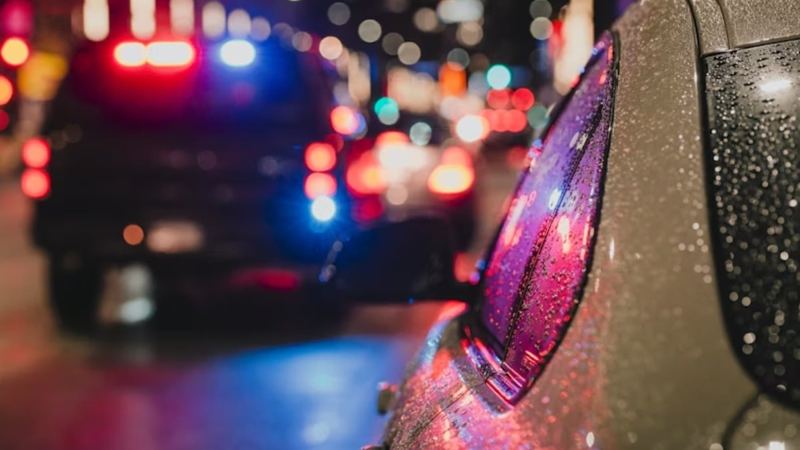
A national study published in The Lancet Regional Health — Americas journal reveals that police officers tend to die younger than the general population, highlighting a silent health crisis within law enforcement. Research led by Peter Tanksley, a research scientist at Texas State University, and including contributions from J.C. Barnes, director of UC’s School of Criminal Justice, examines how the physical and psychological demands of policing contribute to long-term health risks.
Mortality Disparities and Leading Causes
The study identifies significant disparities in mortality rates among officers compared to the general public. Police officers face elevated risks of death from heart disease, cancers, suicide, and COVID-19 during the pandemic years. A particularly concerning finding is that these health disparities begin to manifest around the mid-40s, suggesting that cumulative occupational stress takes a measurable toll relatively early in officers’ lives.
Gender differences emerge in leading causes of death within the profession. Cancer topped the mortality chart for female officers, while circulatory conditions were the more common cause of death among male officers. These distinctions underscore the need for tailored health interventions specific to the policing community.
Departmental Response and Wellness Initiatives
Local law enforcement agencies are responding to these findings by implementing wellness programs designed to address both the physical and psychological demands placed on officers. According to reporting from The Canton Repository, local police chiefs have witnessed the toll these health risks take firsthand, with early deaths occurring within their own departments. These observations have motivated the development of wellness initiatives aimed at combating the disturbing trends revealed by the research.
The emerging focus on officer wellness represents a shift in how the law enforcement community approaches safety. While discussions of officer safety have traditionally centered on equipment like bulletproof vests and body cameras, the study suggests a more holistic approach is needed. Health interventions that encompass both mental and physical wellbeing may be necessary to address the silent threat of premature death affecting the policing profession.
This article is an AI-assisted summary. All facts and figures are drawn from the original report: https://hoodline.com/2026/02/new-study-highlights-increased-health-risks-and-early-mortality-among-police-officers/