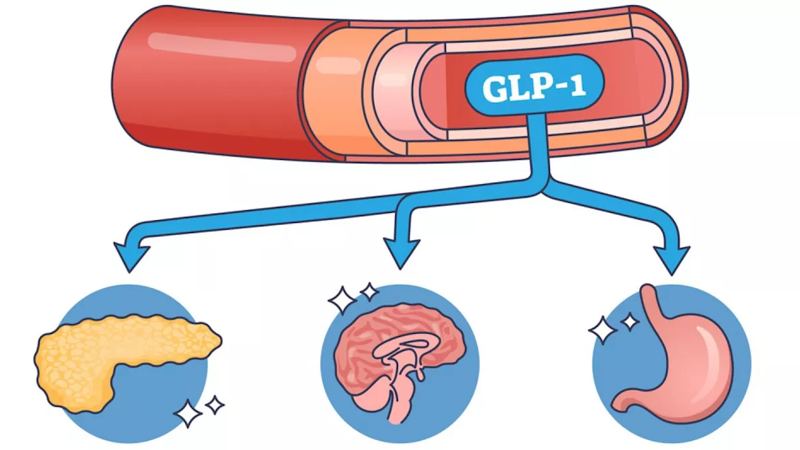
Researchers have found that GLP-1 agonist medications like semaglutide, originally developed for diabetes and obesity, significantly reduce alcohol consumption and may improve other addictions by targeting both the brain and the gut. A randomized clinical trial demonstrating once-weekly low-dose semaglutide showed nearly a 50% reduction in alcohol consumption in non-treatment-seeking adults with alcohol use disorder—an effect size equal to or greater than seen with FDA-approved medications like naltrexone, acamprosate, and disulfiram. These effects occurred at relatively low doses, were well-tolerated, and were accompanied by weight loss.
The mechanism involves the gut as a sensory organ for reward. GLP-1 itself is a gut-derived incretin hormone released by enteroendocrine cells in response to nutrient intake. Over the past decade, studies have shown GLP-1 receptor agonists reduce not only food seeking but also alcohol intake, cocaine reward, nicotine self-administration, and relapse-like behavior spanning multiple drug classes. The gut microbiome also plays a role, with microbial metabolites affecting anxiety, dysphoria, and stress reactivity—core drivers of craving and relapse.
These findings reinforce a paradigm shift: addiction is not solely a disease of dopaminergic learning in the brain but involves the gastrointestinal tract as well. GLP-1 receptor agonists simultaneously target multiple elements of the addiction pathway by promoting satiety and modifying the context in which dopaminergic learning occurs, rather than directly opposing dopamine. While definitive GLP-1 randomized clinical trials remain limited, these agonists represent a conceptually-grounded, mechanism-based intervention. GLP-1 receptor agonists are not replacements for current medication treatments for alcohol use disorder but may soon become important additions, with their dual effects on weight and alcohol consumption highlighting the shared biology underlying metabolic and addictive disorders.
This article is an AI-assisted summary. All facts and figures are drawn from the original report: https://us.headtopics.com/news/glp-1-medications-targeting-the-brain-or-gut-may-improve-79851460