New Hampshire is subsidizing mental health services for commercially insured children because private insurers do not cover wraparound programs designed to prevent psychiatric hospitalization. The state spends approximately $2 million annually in taxpayer dollars to cover wraparound services through the Families and Systems Together (FAST) Forward program for children with private insurance who do not qualify for Medicaid waivers.
The FAST Forward program provides coordinated, individualized care for children aged 5 to 21, including peer support, crisis planning, and family-centered services. These services are designed to stabilize children and prevent their conditions from worsening to the point of requiring inpatient hospitalization. According to state data, over a 12-month period, roughly 89 commercially insured children received these services through state funding.
Costs for wraparound services range from $45,000 to $65,000 per child, while inpatient psychiatric hospitalization costs approximately $1,500 per night. Despite the apparent savings of preventive wraparound services, private insurers have not consistently covered them. Anthem Blue Cross and Blue Shield, which insures the largest share of FAST Forward participants at 25 children, initially said it was unaware any of its members participated in the program until the state agency shared that information in December.
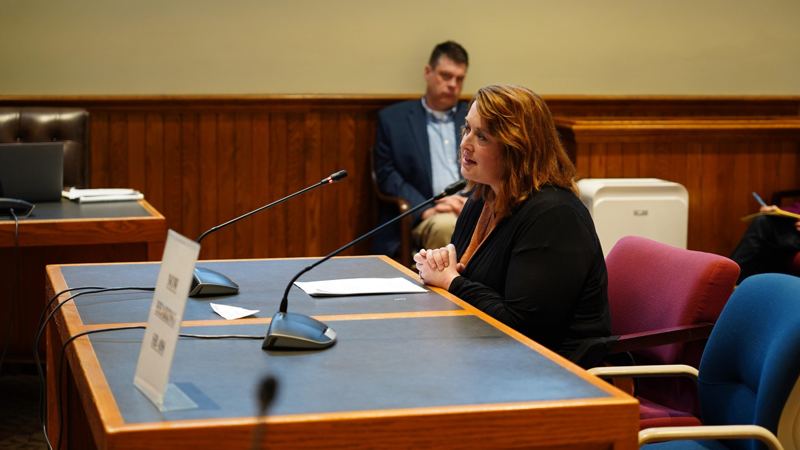
Senate Bill 498, sponsored by Senator Regina Birdsell, aims to close this coverage gap by requiring private insurers to cover FAST Forward’s wraparound services. Morissa Henn, deputy commissioner of New Hampshire’s Department of Health and Human Services, stated that the state is subsidizing program costs “in an increasingly constrained budget environment,” and that “care management entities are already having to pull back.” Insurance industry representatives have resisted the mandate, characterizing it as a potential “tax on insurance,” though they indicate some ongoing discussions about coverage. A similar legislative attempt was made the previous year but failed.
This article is an AI-assisted summary. All facts and figures are drawn from the original report: https://www.concordmonitor.com/2026/02/14/private-insurance-mental-health-state/