A comprehensive analysis from the World Health Organization published in Nature Medicine reveals that more than one-third of cancer cases worldwide in 2022 were linked to modifiable risk factors—meaning millions of cases each year are potentially preventable through lifestyle changes.
Globally, there were nearly 19 million new cancer diagnoses in 2022. According to the WHO analysis, roughly 38 percent of those cases (around 7.2 million) were linked to 30 modifiable risk factors including behaviors, exposures, and health conditions that individuals or societies can change or control. Two habits emerged as dominant contributors: tobacco use and alcohol consumption.
Smoking and Alcohol Lead Prevention Opportunities
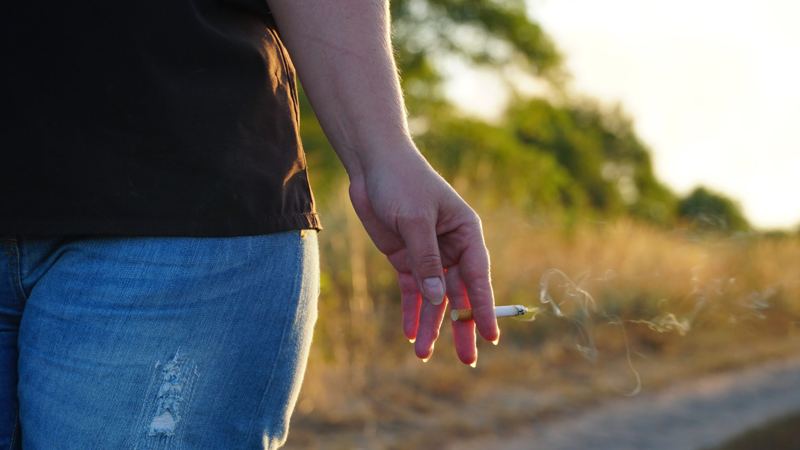
Tobacco use was the single largest contributor to cancer, responsible for 15 percent of all global cases in 2022—rising to 23 percent among men. Alcohol consumption accounted for approximately 3.2 percent of new cancer cases, or about 700,000 cases globally, with links established to cancers of the liver, breast, esophagus, and more.
Dr. Isabelle Soerjomataram, medical epidemiologist at WHO and senior author of the study, noted that “these preventable causes represent one of the most powerful opportunities to reduce the global cancer burden.” Dr. André Ilbawi, WHO’s team lead for cancer control, emphasized that “by examining patterns across countries and population groups, we can provide governments and individuals with more specific information to help prevent many cancer cases before they start.”
Additional Risk Factors and Prevention Gaps
Infections accounted for about 10 percent of global cancer cases, with high-risk human papillomavirus (HPV) infections being a leading cause among women—yet effective HPV vaccines exist with low access and uptake in many parts of the world. Air pollution also plays a significant role, with around 15 percent of lung cancer cases in women in East Asia linked to poor air quality, and approximately 20 percent of lung cancer cases in men in Northern Africa and Western Asia tied to air pollution.
Prevention strategies identified include smoking cessation programs, increased vaccine access, better environmental pollutant regulation, and education on alcohol and tobacco risks. While cancer will never be entirely preventable, this data offers a roadmap for reducing its burden through coordinated public health infrastructure, global cooperation, and individual choice.
This article is an AI-assisted summary. All facts and figures are drawn from the original report: https://www.optimistdaily.com/2026/02/most-cancer-cases-are-preventable-the-2-lifestyle-habits-largely-to-blame/