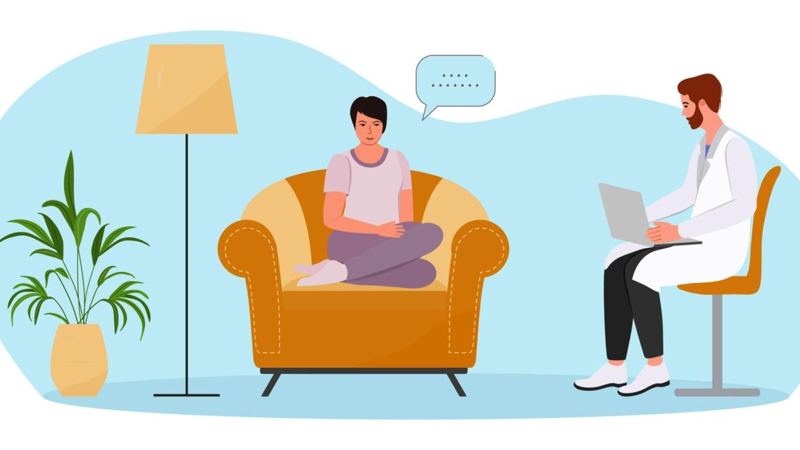
Ambient artificial intelligence scribes are being adopted across healthcare to help physicians focus on patient care rather than computer documentation. These AI systems record and transcribe patient visits, automatically organizing the conversation into sections for medical history, physical exam findings, and treatment plans. Health tech experts estimate that a third of providers have access to ambient AI scribe technology, with adoption expected to grow rapidly over the next few years. Epic, the EHR market leader, is piloting its own AI scribe technology expected to release widely early this year. Studies have found that notes created by ambient AI scribes are generally at least as good as, and sometimes better than, traditional documentation across measures such as completeness, timeliness, and coherence.
Benefits and Challenges
Early studies show AI scribes may reduce physician burnout and after-hours “pajama time” spent catching up on documentation in the evening. The technology is increasingly becoming a recruiting and retention tool, as incoming clinicians prioritize work-life balance. However, some clinicians report that verbalizing findings for the AI scribe changes patient encounters. According to Dr. Dina Capalongo, a primary care physician, “Now, when I’m doing a physical exam, I have to say what I’m doing and what I’m finding out loud in order for the AI scribe to document it.” This can present challenges during sensitive exams where patients may feel anxious hearing clinical observations explained in detail.
Lingering Questions and Equity Concerns
Unanswered questions remain about whether AI scribes improve patient care and health outcomes, whether physicians will use gained time to enhance care quality or simply increase patient volume, and whether integration with coding apps could increase patient bills. An ongoing concern involves AI “hallucinations,” in which false or fabricated information appears in generated notes. Kaiser Permanente, which provides AI scribes to more than 25,000 clinicians systemwide, finds hallucinations to be “quite rare,” though they occur. Some clinicians worry the technology will widen the divide between healthcare haves and have-nots, as large health systems can implement the technology while critical access hospitals and small practices struggle with resources.
This article is an AI-assisted summary. All facts and figures are drawn from the original report: https://www.macombdaily.com/2026/02/09/health-care-ai-scribes/