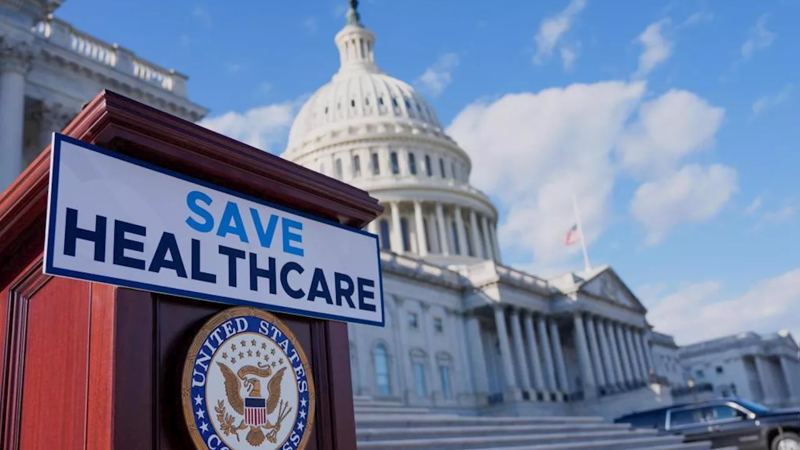
Health care costs have become a central issue in Democratic campaign strategies for the upcoming elections. According to recent polling from the health care research nonprofit KFF, about one-third of U.S. adults are “very worried” about the cost of health care, compared with about one-quarter who feel the same way about the cost of groceries, housing, or utilities. Democrats are focusing on health insurance premiums and coverage expansion as they seek to regain control of Congress in November.
Policy Changes and Coverage Impact
Republicans passed legislation last year to reduce spending on federal health programs and food assistance, largely through work requirements and cost-shifting to states, adding a $50 billion investment in rural health. The expiration of enhanced ACA tax credits has significantly impacted coverage. Senator Jon Ossoff of Georgia reported that health insurance premiums have doubled for more than 20 million Americans, including more than a million Georgians, and that 200,000 people in Georgia had lost their coverage. Teresa Acosta, an ACA policy holder in Georgia covering herself and two teenagers including a son with Type 1 diabetes, reported her monthly premium increased to $520, seven times higher than before expanded subsidies expired.
Campaign Focus and Messaging
Democrats are filming campaign advertisements outside struggling hospitals, spotlighting Americans facing rising insurance premiums, and sharing personal health care stories. The political advocacy group Unrig Our Economy reported funneling more than $12 million into ads criticizing Republicans on health care since early 2025. Democrats forced a government shutdown over the expiration of ACA tax credits, believing they gained political leverage for this year’s campaigns. Candidates including Iowa state Senator Zach Wahls and Wisconsin U.S. House candidate Rebecca Cooke are visiting hospitals and pharmacies, with Cooke highlighting personal stories including her father’s expensive prostate cancer medications and her own ACA premium jump of $200.
Republican Response
Republicans defend their votes as reining in ballooning health spending and combating what they characterize as waste, fraud, and abuse. However, the Republican Party, despite controlling both chambers of Congress, has been unable to pass comprehensive legislation offsetting Americans’ health costs. Republican strategist Ron Bonjean stated the issue would remain the party’s “Achilles’ heel” until leaders draft realistic proposals that can become law.
This article is an AI-assisted summary. All facts and figures are drawn from the original report: https://us.headtopics.com/news/health-costs-are-fueling-voter-stress-and-powering-79458685