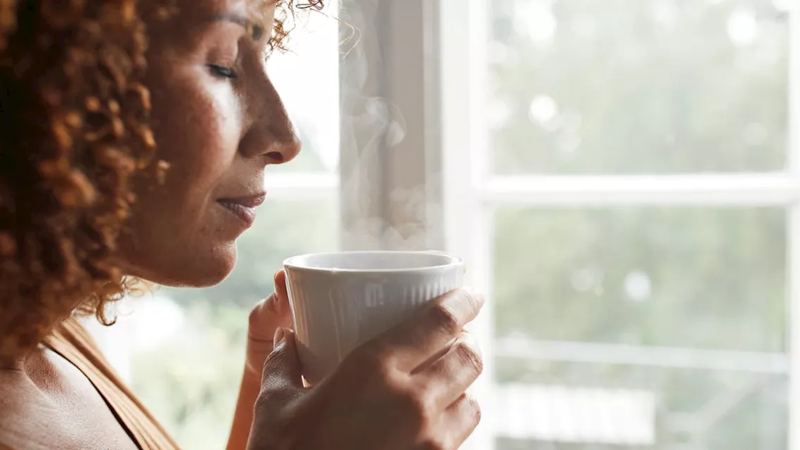
Dietitians explain that coffee and tea, while both popular for supporting energy levels and wellness, affect the body in distinctly different ways. From a macronutrient standpoint, brewed coffee contains two calories and 0.3 grams of protein per cup, while brewed tea contains no calories or macronutrients. The key distinction lies in caffeine content: an 8-ounce cup of coffee typically contains about 96 milligrams of caffeine, compared to 48 mg for brewed black tea and 29 mg for brewed green tea.
Health Benefits and Antioxidants
Coffee is described as the top source of antioxidants in Americans’ diets, rich in polyphenols that have been linked to a boost in cognitive function, protection of the liver, and a lower risk of type 2 diabetes and depression. These compounds fight inflammation and oxidative stress, contributing to increased longevity and lower levels of overall inflammation in the body. Coffee can support mental focus, reaction time, and short-term performance thanks to its caffeine content.
Tea, particularly green and black varieties, is also rich in antioxidants but derives its inflammation-fighting power from catechins and flavonoids. According to a review published in Frontiers in Nutrition, drinking one to four cups of black or green tea daily may help prevent the development of coronary artery disease. A separate study in the International Journal of Molecular Sciences found that the catechins in green tea may stunt the survival, growth, and proliferation of cancer cells.
Potential Drawbacks
Coffee’s caffeine content may cause side effects for certain people, including feeling jittery or anxious, and may cause digestive issues like nausea, acid reflux, or loose stools, especially if consumed in large amounts on an empty stomach. For those with certain heart conditions, the caffeine content may warrant avoidance.
Tea is generally well-tolerated, but darker teas contain tannins that may interfere with iron absorption if consumed in large amounts alongside meals. Highly caffeinated teas, such as strong black or matcha-based teas, can still disrupt sleep or increase restlessness if consumed later in the day, especially for those sensitive to caffeine. Certain herbs in teas can interact with medications, with heart medication being a notable concern.
Choice Considerations
Neither coffee nor tea is technically healthier than the other. According to experts, the choice comes down to personal preference and need. Coffee may be better for those who prefer a bolder flavor and stronger caffeine boost, whereas tea is a better option for those sensitive to caffeine or preferring gentler stimulation paired with calm focus. Both are excellent choices for weight loss, containing essentially zero calories and providing an energy boost, provided no sweeteners or creamers are added.
This article is an AI-assisted summary. All facts and figures are drawn from the original report: https://us.headtopics.com/news/coffee-vs-tea-which-is-healthier-dietitians-explain-79422276