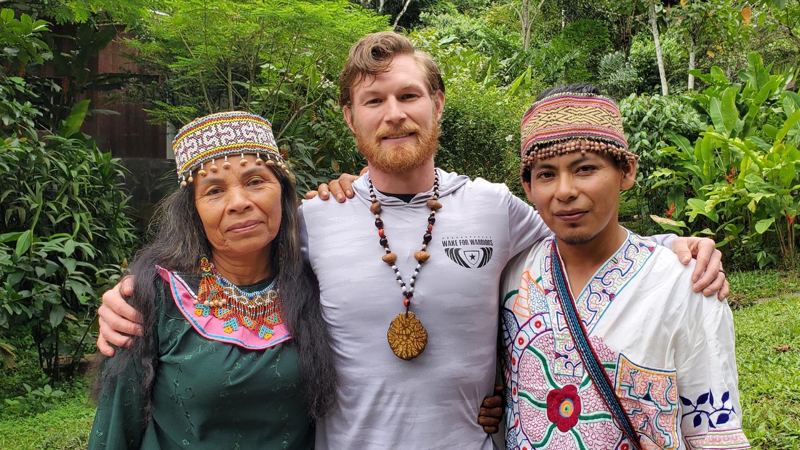
Early research suggests the psychedelic drug ayahuasca may help rewire the brain’s response to trauma and treat PTSD, though exactly how it works remains unclear and rigorous clinical trials are lacking. Using methods such as brain scans and symptom tracking, scientists are beginning to study whether this complex psychedelic brew can help veterans and trauma survivors recover from post-traumatic stress.
The Heroic Hearts Project, a nonprofit linking veterans with supervised psychedelic therapy abroad, has hosted more than 1,100 veterans through retreat programs aimed at reducing or eliminating PTSD symptoms. An observational study tracked 58 veterans—45 attending ayahuasca retreats and 13 attending psilocybin retreats between 2021 and 2024. Scientists found participants in both groups showed an average 29% reduction in depression symptoms and a 26% reduction in PTSD symptoms, along with improvements in anxiety, sleep, emotional well-being, and quality of life. More than 80% of participants who initially met criteria for PTSD no longer did after treatment.
Ayahuasca is a complex botanical brew containing two main components: the psychoactive DMT and beta-carbolines. The concentration of these ingredients varies among batches, making it difficult to create standardized, repeatable doses required for rigorous clinical trials. Research is preliminary; only a few small studies have investigated ayahuasca for PTSD, and those have not been placebo-controlled, randomized clinical trials—the gold standard for showing drug effectiveness. It is difficult to tease apart whether ayahuasca reduces PTSD symptoms or whether other factors, such as therapy or the retreat environment, help resolve symptoms.
Currently, researchers including Gregory Fonzo at the University of Texas are collaborating with the Heroic Hearts Project to examine brain responses of combat veterans with PTSD before and after ayahuasca treatment. Scientists aim to recruit 40 participants and collect brain imaging, clinical data, blood measures, and electroencephalographic recordings. The EEG data will help identify objective, biological markers of PTSD. As one Navy fighter pilot credited ayahuasca with “shattering the darkness,” experts note that healing also requires therapy, community support, lifestyle changes including sleep, nutrition, exercise, and meditation.
This article is an AI-assisted summary. All facts and figures are drawn from the original report: https://www.livescience.com/health/psychedelic-drug-ayahuasca-could-treat-ptsd-early-studies-hint-but-exactly-how-it-works-isnt-clear