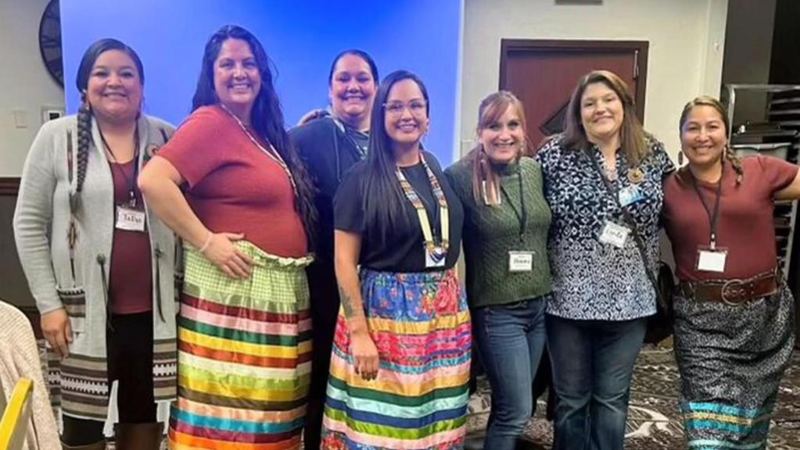
Demand is growing for specialized doulas trained to support pregnant and postpartum mothers with substance use disorder, a role increasingly recognized as critical amid overlapping maternal mortality and addiction crises. Mental health conditions and substance use are leading underlying causes of maternal death, according to the federal Centers for Disease Control and Prevention. These conditions can arise or worsen during pregnancy, making it an especially vulnerable time for those with addiction seeking recovery.
Peer recovery doulas—many themselves in long-term recovery from addiction—are filling this gap. They advocate for patients in labor settings, support them when facing stressors or cravings, and help foster trust through shared experience. One recovery doula recounted a case where hospital staff administered fentanyl to a patient in recovery who had explicitly requested no opioids due to addiction concerns. The doula said her job was not to “defuse emotions” but to ensure patient autonomy. “When a patient in recovery asks specifically for no fentanyl—that’s one of her triggers—you need to respect that.”
Several states are expanding coverage. Utah passed a law to start the process toward Medicaid coverage of doula care, with federal approval effective April 1, allowing certified doulas to be reimbursed via Medicaid. Colorado recently expanded Medicaid coverage to include doulas, and Montana passed a law establishing doula licensures. States included goals of expanding behavioral and maternal health care access in bids for federal dollars under the five-year Rural Health Transformation Program. Montana reported that mental health conditions contributed to about 70% of the state’s maternal deaths between 2020 and 2022, with substance use contributing to more than 40% of those women’s deaths.
Most clinic patients are on Medicaid, the largest payer for behavioral health care nationwide, yet doulas often work pro bono because coverage isn’t yet available. Access remains a significant challenge, particularly in rural communities where maternal health specialists are scarce.
This article is an AI-assisted summary. All facts and figures are drawn from the original report: https://www.dailypress.com/2026/02/06/doulas-specializing-addiction/