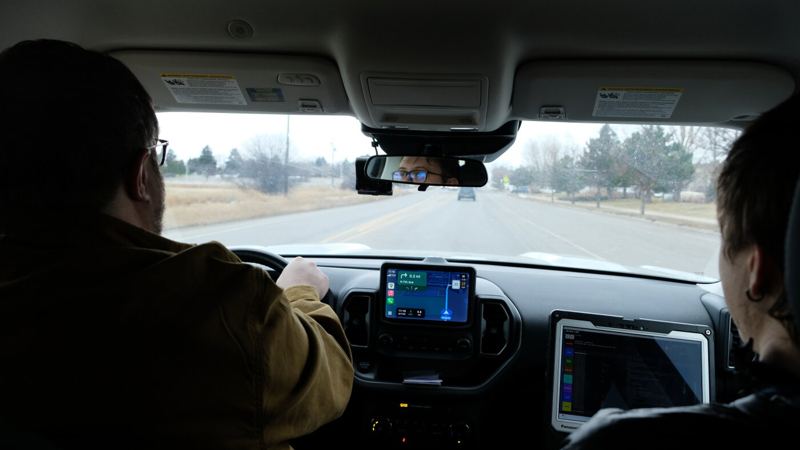
Mobile crisis teams that respond to mental health emergencies instead of police are facing financial collapse in communities across the country, despite their demonstrated success in reducing police involvement and unnecessary emergency room visits.
A 2024 survey found at least 1,800 mobile crisis teams nationwide, but financial support for them is often inadequate and inconsistent. In Montana, two programs—one in Great Falls and one in Billings—recently shut down, leaving only six units in the state. The strategy began in the late 1980s in Eugene, Oregon, but gained momentum nationally over the last 10 years. One analysis of fatal police shootings across 27 states found that a third of the victims showed signs of being in crisis. Another study found that people with severe mental illness are 11 times more likely to experience use of force by police.
The Bozeman mobile crisis team, available 12 hours a day, seven days a week, costs roughly $1 million a year to run. According to Ryan Mattson, who leads the team, the program has reduced the time that Bozeman police officers must spend on mental health calls by nearly 80%, and prevented unnecessary emergency room visits. The vast majority of crisis calls end with people staying where they are, avoiding a trip to the ER or going to jail. Despite this track record and local support, finding a way to pay for the service has been difficult. Mattson stated, “I’m confident we’ll be here through next fiscal year. That’s about as confident as I am at this point.”
The Funding Gap
Mobile crisis teams lack a single reliable source of funding. While Medicaid is another funding source—two-thirds of states allow Medicaid reimbursement for crisis calls—rates vary significantly. In Montana, Medicaid only reimburses the team for time spent responding to calls in the field. Additional time spent documenting encounters or waiting for the next call isn’t reimbursed. Montana provides about $2 million annually in supplemental funds to help mobile teams, but program managers note that accessing that funding requires complicated paperwork that often isn’t worth the staff time.
In Missoula, the mobile crisis team’s annual expenditure is $1.4 million, but Medicaid reimbursements were only covering about 20% of the cost. Even with local tax dollars, the program faces a $250,000 shortfall. If more mobile crisis teams shut down, patients may instead end up in emergency rooms, placing financial pressures on already distressed health systems. Later in 2026, Montana hopes to join a federal pilot program for Certified Community Behavioral Health Clinics that will receive boosted federal funding and are required to offer around-the-clock mobile crisis service.
This article is an AI-assisted summary. All facts and figures are drawn from the original report: https://www.npr.org/2026/02/05/nx-s1-5693908/police-mental-health-calls-988-911-mobile-crisis-teams