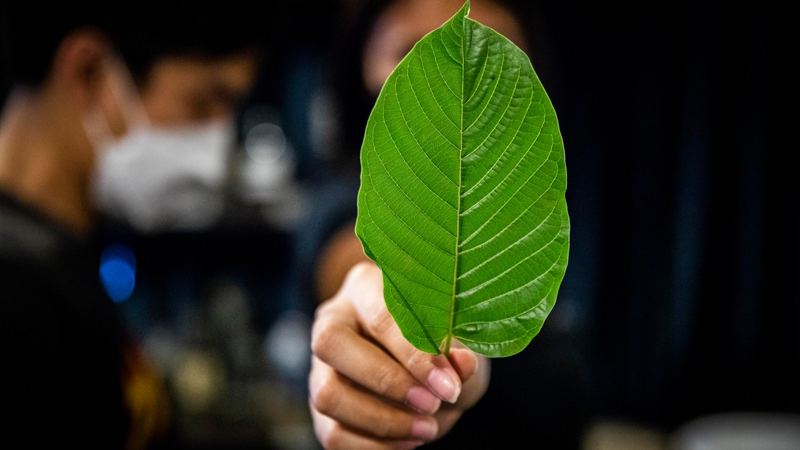
Kratom, derived from the leaves of the Mitragyna speciosa tree native to Southeast Asia, is gaining popularity among teens in the U.S. Marketed as “natural” and sold in powders, capsules, gummies, and other forms, kratom is available at gas stations, vape shops, and online with few age restrictions. Historically used in traditional Southeast Asian medicines through teas or leaf chewing, kratom has recently become a large-scale industry in the United States with mass production of various product forms.
The U.S. Food and Drug Administration is concerned about kratom and continues investigating its health effects. The FDA has banned its import into the United States but lacked enough evidence to officially classify it as a controlled substance, allowing continued manufacturing and sale. Many states have attempted to restrict kratom sales, but enforcement has proven difficult.
Effects and risks
At low doses, kratom acts as a stimulant, causing increased energy and alertness, along with a temporary feeling of happiness or euphoria. It can also raise blood pressure significantly and cause dry mouth. At higher doses, kratom reduces anxiety and causes sleepiness similar to opioids, and like opioids, it can cause people to stop breathing at higher doses. It can also cause liver damage, hallucinations, and convulsions or seizures. Kratom has caused or contributed to dozens of deaths in the U.S. in the past decade.
Kratom binds to the same brain receptors that opioids, including heroin and fentanyl, do, producing similar dangerous effects. Because of this binding, kratom can be addictive. People who use it regularly and then quit have reported withdrawal symptoms like those seen with opioids, including nausea, vomiting, diarrhea, muscle and joint aches, restlessness, runny nose, excessive yawning, and hot or cold flashes. Science does not yet show how much or how long kratom use takes to cause addiction.
Kratom products are not regulated and contain more than 50 biologically active compounds that can interact with prescription medications, potentially causing serious health issues. Some kratom has been contaminated with harmful bacteria like salmonella. The FDA states kratom cannot be legally sold as a medicine, dietary supplement, or food additive in the U.S. There is no safe way to use kratom.
This article is an AI-assisted summary. All facts and figures are drawn from the original report: https://www.bostonherald.com/2026/02/01/what-parents-need-to-know-about-kratom/