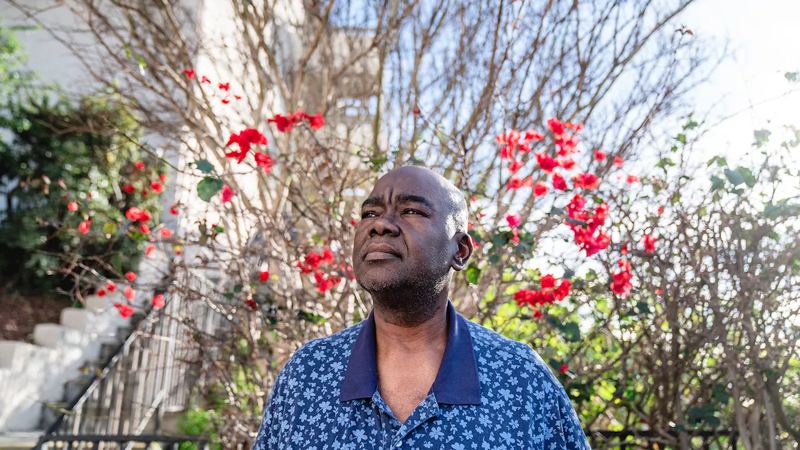
A San Diego journalist documents his prostate cancer diagnosis and treatment as a personal mission to educate others. Jerry McCormick, 57, discovered he had prostate cancer after receiving biopsy results via email while traveling. Since turning 50, he had been receiving annual prostate exams. Last summer, he began getting up to urinate six or seven times a night, and within weeks of his first doctor’s visit, he was diagnosed with prostate cancer despite having no family history of the disease.
McCormick chose surgical removal over radiation therapy. He initially scheduled surgery on Dec. 4, but after doctors made three small incisions on his lower abdomen, they discovered his abdominal wall was too thick to penetrate, forcing them to reschedule. “It was an emotional rollercoaster,” he said. The rescheduled surgery was set for Jan. 6, but days before the procedure, during flu season, McCormick became ill. The surgeon warned that if he didn’t recover soon, they would have to reschedule again. Eventually his cough cleared and doctors gave him approval to proceed.
Recovery and complications
The second surgery on Jan. 6 was successful, involving a larger incision than the first attempt. With pain management through IV OxyContin and valium, McCormick was discharged after two days but reported he “couldn’t laugh, talk or breathe” and experienced significant pain. On Jan. 12, he ended up in the emergency room when one of his incisions became infected and he required hospital admission. McCormick remains focused on documenting his experience to educate others. “I promised myself that I would use this experience to educate people,” he said. “I don’t want them to get the sanitized version of having prostate cancer.”
Prostate cancer disparities
According to Dr. Brent Rose, associate professor of radiation oncology at the University of California, San Diego, one in eight Black men will develop prostate cancer, compared to one in twelve white men. Black men are more likely to be diagnosed at younger ages, and prostate cancer is twice as deadly for them because they’re often diagnosed at later stages. Dr. Rose attributes this to less access to care, genetics, and social determinants of health, including racism and poverty. The American Cancer Society recommends Black men begin prostate cancer screenings at age 45.
This article is an AI-assisted summary. All facts and figures are drawn from the original report: https://us.headtopics.com/news/san-diego-journalist-fighting-prostate-cancer-warns-this-79112161